We know what nature restoration will cost. We are not yet able to spend it well.
Blog written by Greg Birdthistle, Founder and CEO of Dulra.
Member states must hand the Commission a draft National Restoration Plan in September, the final a year later. For the first time we have a legal instrument with dates attached, a credible price tag and a public argument about who pays.
In Ireland the price tag is €450-700 million a year – the Independent Advisory Committee’s April 2026 estimate of what delivery would need, not what has been committed. Commentary has quietly upgraded it from requirement to windfall. The Regulation creates no dedicated fund; it obliges us only to say what restoration will cost and how we will pay. The money has not been found, only named.
The number is not what should worry us most. The harder question is whether we have the data systems and the accountability to turn spending into ecological recovery. On current evidence: not yet.
The number is softer than it looks
Try to find out what Ireland currently spends on nature: there is no single reconciled figure. The benchmark usually quoted – Eurostat’s 0.4% of GDP against 0.8% EU-wide – measures environmental protection as a whole, most of it waste and wastewater, on a GDP figure Government itself avoids domestically. We are behind, but not as far behind as the most-shared statistic implies, and that it is wrong is itself the point.
The CSO recorded biodiversity transfers jumping from €209 million to €465 million in 2023. That was not a surge in restoration; it was new agri-environment schemes under the current CAP. Some of it buys measured outcomes, ACRES scorecards pay farmers on assessed habitat condition but area under agreement is not area restored, and a scheme that is both biodiversity instrument and farm income support cannot be read as either alone.
The accounting mess is the accountability gap
A State that cannot say what it spends on nature, or what that spending bought, has told us something before a euro of new money is committed. The figure is unpinnable because there are no consistent definitions, no single owner and no reliable link between money spent and outcomes delivered. You do not get an unreconciled, mislabelled figure from an organisation with clear targets and someone answerable for each.
What the delivery record shows
Ireland’s Article 17 assessment, published in December 2025, found 90% of protected habitats in unfavourable status, up from 85%, with 51% deteriorating – though 9% are improving and some of that shift reflects better survey coverage rather than change on the ground. NPWS funding passed €100 million in Budget 2026, but conservation status responds over decades. The honest reading is not “we spent more and it got worse”; it is that some of the extra money bought the survey capacity that told us how bad things were.
The data picture tells the same story. Ireland is not starting from nothing: the National Biodiversity Data Centre holds millions of records, NPWS extensive survey and spatial data, the EPA water status data. What we lack is one authoritative, maintained habitat-condition layer that a Minister, a farmer and an investor could each query and get the same answer from. Until it exists we cannot report progress consistently or verify outcomes to the standard private capital will demand. That missing layer, not the missing money, is the binding constraint.
Money is not the constraint. Delivery is.
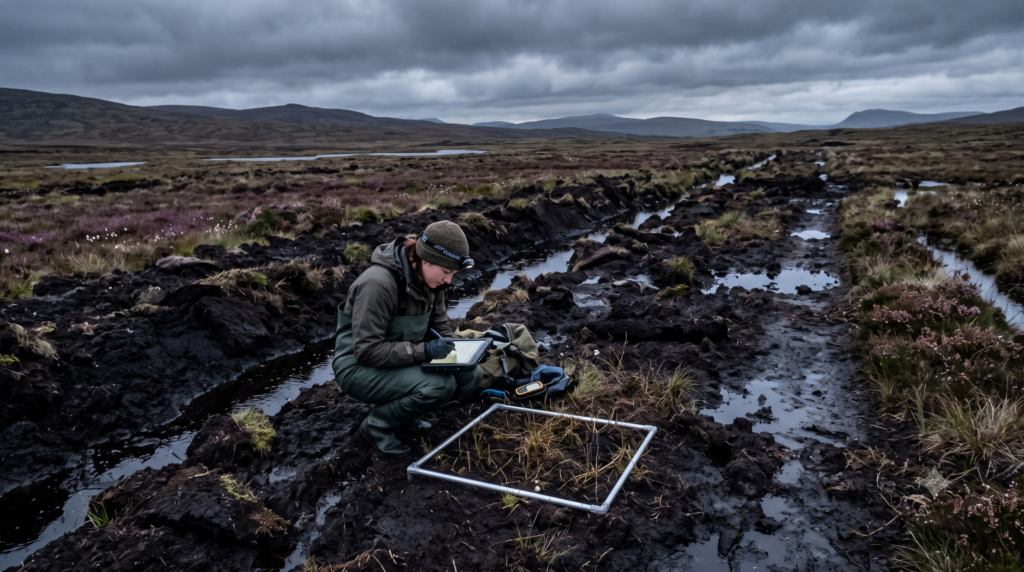
Raised bog restoration and three cycles of river basin planning stalled for reasons that had little to do with budget and everything to do with consent, sequencing and monitoring. The September plan has four things to solve.
Consent, first. Most of the land is privately owned, and under the Regulation rewetting stays voluntary for farmers even though the State target binds: measures on 30% of drained agricultural peatland by 2030, rising to 50% by 2050, a quarter to a third of it rewetted. That is won through advice, durable payment terms and trust, or not at all.
Second, money voted annually cannot buy twenty-year commitments. A farmer changing land use permanently needs certainty that outlives the estimates cycle, hence the Advisory Committee’s call for a dedicated multiannual fund.
Third, the supply chain. You cannot spend half a billion a year well without hydrologists, field ecologists, contractors with the right machinery and an approvals pipeline that moves.
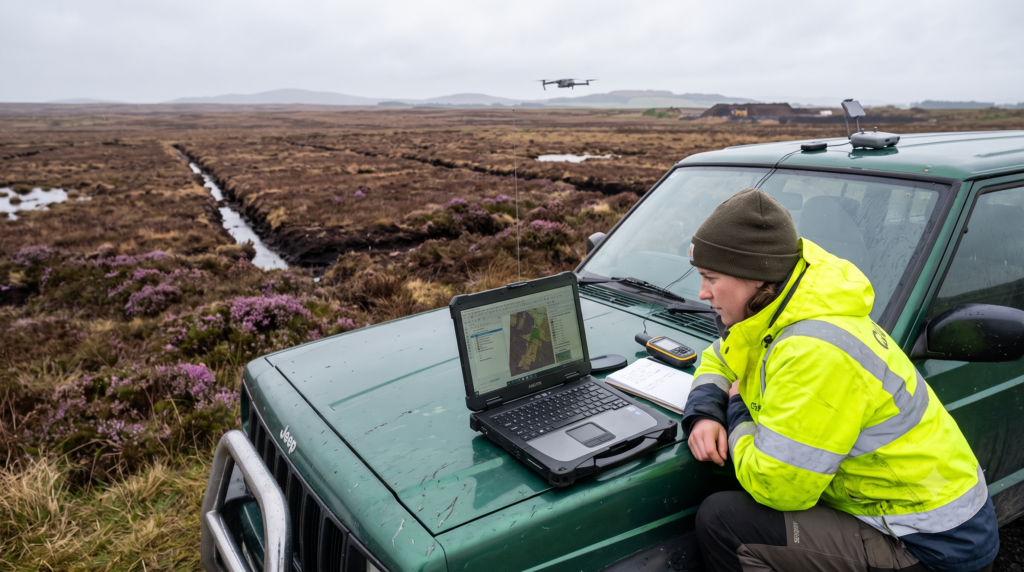
Fourth, measurement built to two clocks. Six-monthly reporting for delivery: hectares under agreement, works completed, barriers removed, consents secured, posts filled. Ecological outcomes are on the ecological clock, the Article 17 cycle and the Regulation’s own monitoring, first report due by 30 June 2028. Conflating the two is how programmes end up reporting nonsense or nothing. And the unglamorous part: a named person accountable for each target, so aspiration becomes responsibility.
Why getting this right matters now
We should have started twenty years ago, and the species already lost cannot be bought back. If in 2030 we find the money was secured and then squandered, delayed, or monitored too thinly to know what it bought, that failure will be harder to forgive than those before it. Because this time we knew. What was missing was not the money but the infrastructure to see where it went and the discipline to hold someone to it.
The draft plan is due in five weeks. Let’s not waste the chance.
About the author
Greg Birdthistle is Founder and CEO of Dulra, a nature-technology company building digital infrastructure to bring efficiencies and scale to ecology in Europe. He works with ecologists, nature project managers and state bodies on how Ireland can deliver its nature restoration obligations efficiently and at scale.