The Future of Skills in Marine Mammal Science
By Niru Dorrian
Careers in marine mammal science are not being replaced; they are evolving. The roles themselves remain vital, but the expertise required to succeed within them is broadening as the field adapts to new science, technology, and global challenges.
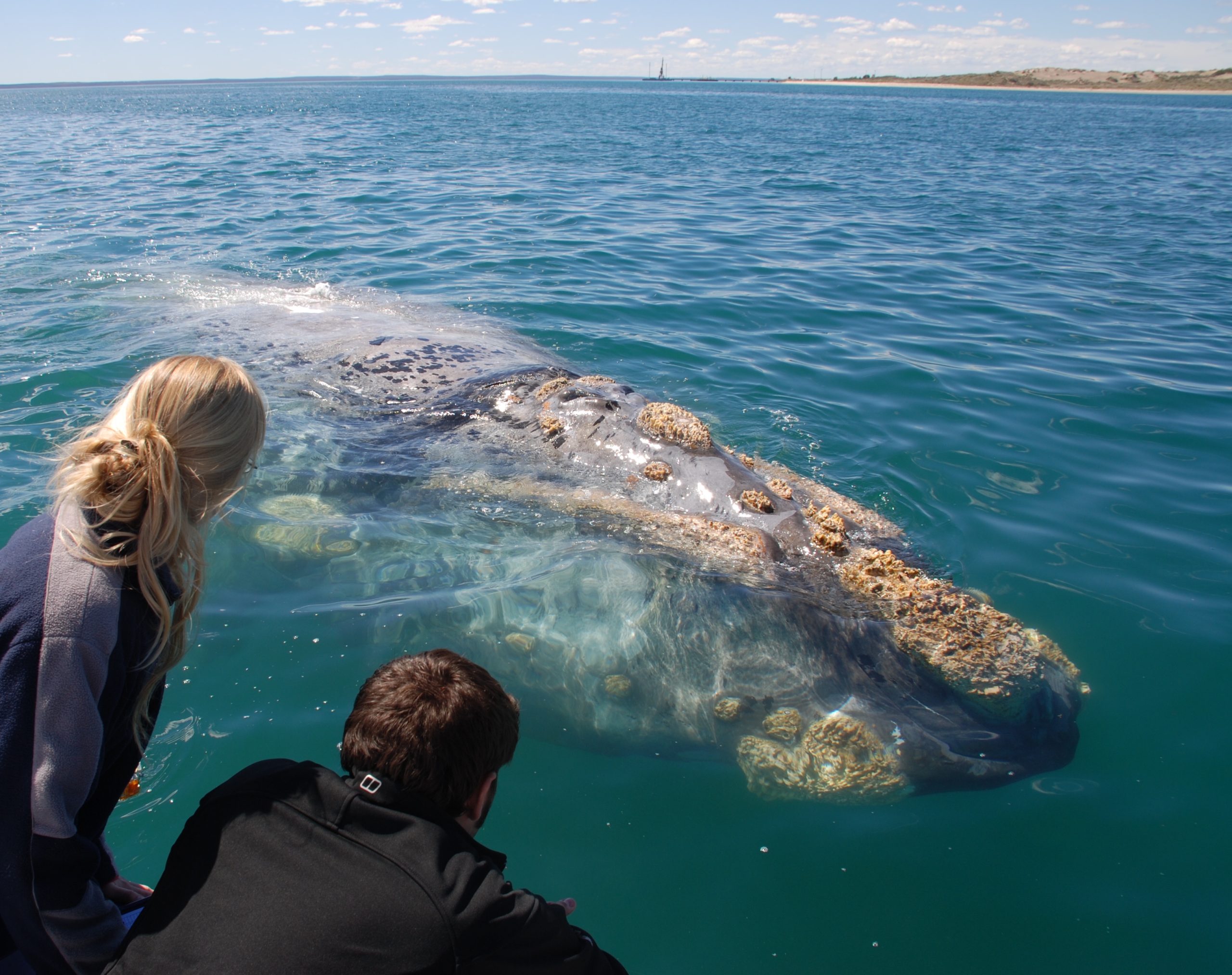
Marine mammals are integral to healthy marine ecosystems, acting as key indicators of ocean health and providing valuable insights into the impacts of human activity, climate change, and ecosystem shifts. UK waters are home to a diverse array of species, including cetaceans (whales, dolphins, and porpoises) and pinnipeds (seals), many of which are of conservation concern under national and international frameworks. As highly mobile and long-lived species that occupy a range of trophic levels, marine mammals provide unique ecological data through long-term monitoring. These insights are critical for evidence-based policymaking, conservation, and sustainable marine management.
The IMarEST Marine Mammal Career Matrix, developed in 2022 by the Marine Mammals Special Interest Group (SIG), serves as a compass for students, early-career professionals, and employers. It lays out the wide range of available pathways, from offshore industry and consultancy to research, conservation, animal care, veterinary practice, and education. The matrix was created to help navigate the increasingly complex marine mammal job market by detailing the critical skills needed for each role and clarifying how they differ across sectors. It also supports employers with clear insights into role requirements, ensuring recruitment aligns with project needs. The matrix underscores that many of these roles now req
uire broader expertise in areas such as technology, data handling, and communication, reflecting rapid shifts in science, policy, and the global ocean agenda.
The need for these broader skillsets is further emphasised in the report Marine Mammal Monitoring: Methods, Technologies, and Opportunities for Innovation (2025). This study, delivered by IMarEST in partnership with the UK’s Department for Environment, Food and Rural Affairs (Defra) under the Marine Natural Capital and Ecosystem Assessment (mNCEA) programme, outlines the key innovations reshaping this vital field and informs on forward-looking directions.
Among the key areas the report identifies are:
- Artificial Intelligence and automation to process large datasets more effectively
- Passive acoustic monitoring and environmental DNA (eDNA) for detecting species that cannot be readily observed
- Drone and satellite-based monitoring for broader, more frequent geographic coverage
- Integrated multi-sensor approaches to combine diverse data streams for stronger evidence and better decision-making
To keep pace with these new tools and methods, professionals in marine mammal science must increasingly develop skills in data science, coding, engineering, GIS mapping, and communication, while also retaining strong foundations in ecological and behavioural understanding.
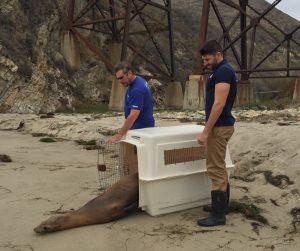 This is why initiatives such as the ESB Marine Mammal Observer Training Programme are also so important. The programme was created to not only give early-career scientists practical offshore experience and confidence but also to remove barriers related to financial cost. It provides all the required certifications, professional mentoring, and professional membership to support long-term career development. It is a model for inclusive, equitable capacity development for roles in offshore renewable energy are required as the industry develops.
Another important element in marine mammal science is Continuing Professional Development (CPD). CPD is the ongoing process of learning, training, and building new skills throughout a career. It helps ensure that professionals stay up to date with the latest research, technologies, and best practice, whether working offshore, in consultancy, or in conservation organisations. CPD can include formal training courses, workshops, mentoring, attending conferences, or self-directed study. As roles evolve and new tools emerge, CPD provides the structure and recognition needed to demonstrate that knowledge and skills remain current, relevant, and of a professional standard.
This approach aligns closely with the United Nations Decade of Ocean Science for Sustainable Development, and particularly its challenge 9: Skills, knowledge, technology and participation for all” By enriching existing roles with broader expertise, we prepare the next generation to tackle the complex challenges of marine science, climate change, and biodiversity loss.
The jobs are not disappearing; the skills needed to do them well are expanding. Those who bring curiosity, adaptability, and a diverse mix of talents will shape the future of marine mammal science.
References
- Dorrian, N., Ferguson, E. L., Scala, L., Wright, A. J., Noseworthy, A. S., & Kitchiner, A. (2025). Marine mammal monitoring: Methods, technologies, and opportunities for innovation. IMarEST & Defra.
- Dorrian, N., Kitchiner, A. S., & IMarEST Marine Mammal Special Interest Group (2022). Marine Mammal Career Matrix. Institute of Marine Engineering, Science and Technology (IMarEST).
About the Author
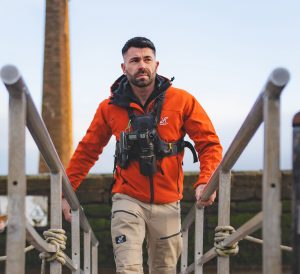
Niru Dorrian is a multi award-winning marine biologist with almost twenty years of international experience in marine mammals, offshore ecology, offshore energy, conservation, and capacity development. He is Senior Offshore Ecologist and Marine Mammal Specialist at ESB, Chair of the IMarEST Marine Mammal Special Interest Group, a Fellow and Chartered Marine Scientist with the Institute of Marine Engineering, Science and Technology (IMarEST), a Chartered Scientist with the Science Council, a Fellow of the British Ecological Society, and serves as Ambassador to the United Nations Decade of Ocean Science for Sustainable Development, appointed by IMarEST. Niru has a strong track record in capacity building, having developed training programmes, multiple bursaries, workshops, and mentoring schemes to support early-career professionals. He also with the ESB Offshore Ecology Team developed the industry-leading ESB Marine Mammal Observer Training Programme in Ireland, which provides required certifications, professional mentoring, and professional membership to help the next generation build skills and confidence in offshore ecology.
Professional Development with IMarEST
If you are starting out, IMarEST Student Membership is free and open to all students, apprentices, cadets, and trainees in the marine sector. Membership gives you access to resources, networks, student bursary and awards programmes, and a professional mentoring programme to help prepare for your career. You can also use the post-nominals “SIMarEST” to show your early commitment to professional development. Students can volunteer with the Marine Mammal Special Interest Group (SIG) and other SIGs. Learn more here: IMarEST Student Membership.
For graduates, Early Career Associate Membership (AMIMarEST) is available for up to five years at a discounted rate following graduation or completion of your apprenticeship or cadetship. This provides continued professional recognition, mentoring support, and opportunities to engage with the wider marine community.
Through bursaries, mentoring, and professional development, IMarEST helps the next generation of marine professionals succeed.