Tackling the Twin Crises: A CIWEM-CIEEM Joint Article Series
In the face of escalating environmental pressures, the imperative to tackle the interconnected climate and biodiversity crises has never been clearer. Globally, we are witnessing the devastating impacts of climate change. In 2023, global sea levels reached 3.99 inches above 1993 levels, marking a new record high (NOAA Global Sea Levels). Extreme weather events have increased fivefold over the past 50 years (World Meterological Organisation). In parallel, biodiversity loss continues at an alarming rate. The Living Planet Report 2024 (WWF) reported a 73% average decline in monitored vertebrate wildlife populations in the past 50 years and the State of Nature Report 2023 highlighted a 13% decline in invertebrates, a 54% decline in flowering plant species, and a 24% decline in seabird abundance in the UK. These crises are not isolated, they are deeply interlinked, demanding holistic, interdisciplinary responses.
Building on a successful joint article series entitled Breaking Silos with the Institute of Civil Engineers, CIWEM (Chartered Institution of Water and Environmental Management) is now partnering with CIEEM (the Chartered Institute of Ecology and Environmental Management) on a series which aims to explore how our professions, practices, and people can respond to these urgent challenges. Many see 2025 as a tipping point in our progress towards 2030 environmental targets (e.g., reducing greenhouse emissions by 55% , protecting at least 30% of the world’s land and sea areas, and restoring 30% of degraded habitats). We must act now to meet these goals and highlight the power of our communities to drive change.
This five part series, “Tackling the Twin Biodiversity and Climate Crises”, will highlight shared insights, innovations, and ambitions from those working in water, ecology and environmental management. From nature-based solutions to freshwater ecosystem recovery, and from green skills development to marine biodiversity, each article will draw on the expertise of professionals who are already working at the front lines of environmental change.
Our goal is not only to share knowledge but to encourage collaboration across disciplines, sectors, and career stages. Much like the collaboration encouraged between water management and civil engineers in the Breaking Silos series, these articles will highlight how water management and ecologist professionals can work as a team against environmental threats. Each article will be co-authored by early career representatives from CIWEM and CIEEM or their specialist groups, reflecting the rich diversity of voices joining our sectors and working to safeguard the natural world.
Here’s what to expect from the series:
- Biodiversity Net Gain and Nature Recovery: Exploring current frameworks and opportunities for genuinely restoring ecosystems.
- Climate Resilience: Exploring how environmental and ecological practices can help communities and habitats adapt to a changing climate.
- Marine and Coastal: Delving into the protection and restoration of vital mangrove, seagrass meadow, and coral reef ecosystems.
- Freshwater Ecosystems: Shedding light on the often-overlooked importance of freshwater habitats in biodiversity and carbon sequestration.
- Green Skills: Highlighting the competencies and careers needed for a just and sustainable transition—and how we’re supporting the next generation of professionals.
We will conclude the series with reflections from early career voices and strategic leaders on where we go next and how we can work better together.
As water, environmental and ecological professionals, we stand at a unique point of influence and responsibility. Through this series, we hope to inform, inspire, and drive action, bringing together science, policy, and practice in service of a healthier planet for all.
Join us as we explore how collaboration across our sectors can be a catalyst for real, lasting change.
About the authors
 Alice Slattery MSci (Hons), GradCIWEM is a Natural Capital Consultant at Savills, where she provides valuation and consultancy services to a wide range of clients including private landowners, public bodies, charities, lenders, and institutions. Passionate about restoring the natural environment, she focuses on understanding and highlighting the value of ecosystem services for landscapes and communities. Alice is a member of the CIWEM Early Careers Steering Group, where she helps develop content and organise events that support professional growth and networking for early-career practitioners.
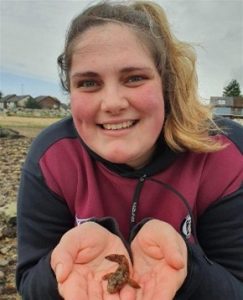 Athena Allen BSc (Hons), MSc, ACIEEM is a Marine Ecologist with NatureBureau Ltd, an environmental and ecological consultancy. Her work spans European marine legislation, such as the Marine Strategy Framework Directive, through to international conservation projects, including shark protection initiatives for the German Government. With a specialist research interest in cephalopods, Athena contributes to a variety of scientific projects in this field. She also plays a key role in CIEEM, serving as Convenor of the Early Careers Special Interest Group and Secretary of the Marine & Coastal Special Interest Group, where she contributes to articles, webinars, and events on marine and ecological topics.
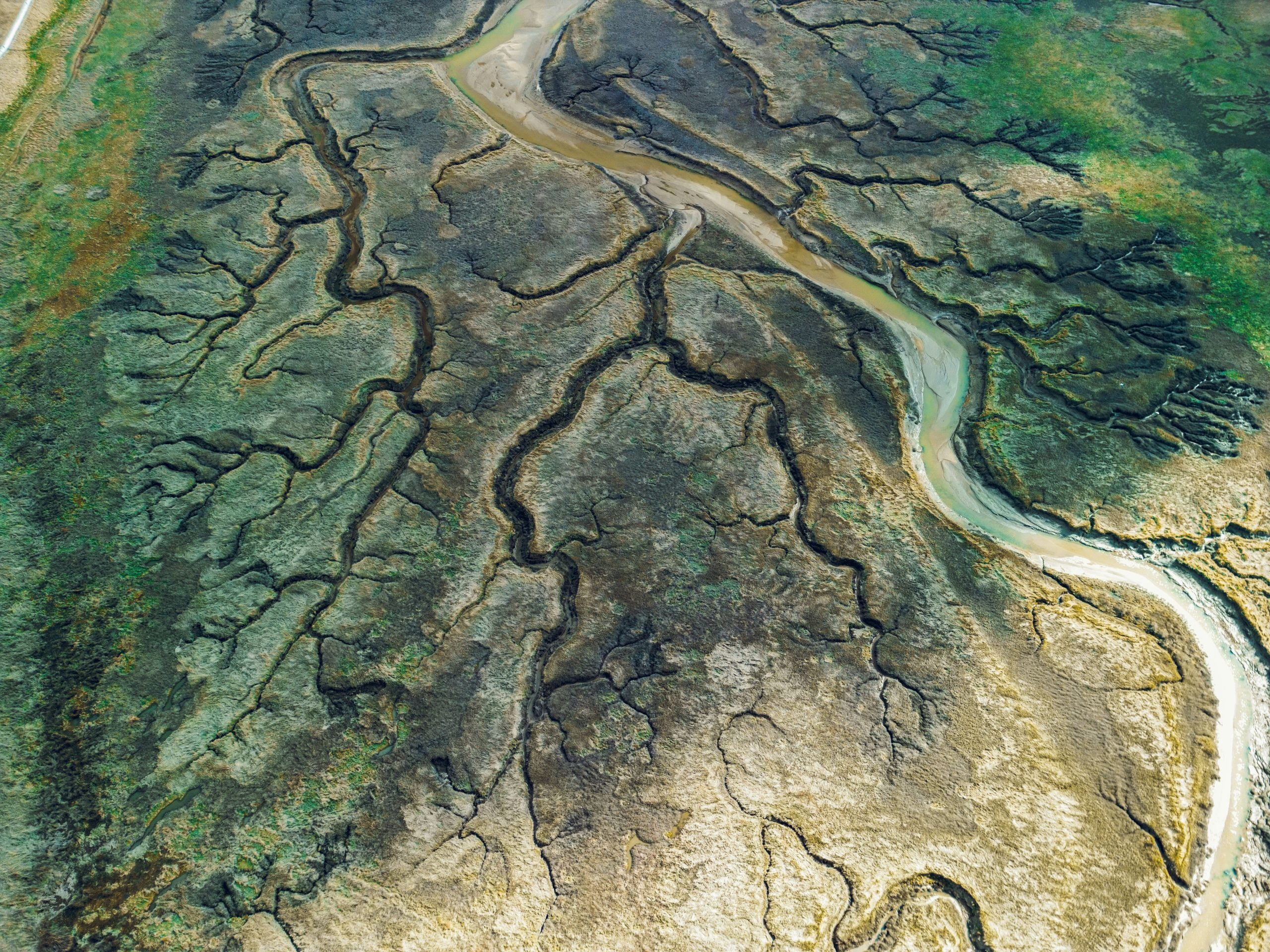
Banner image photo credit: Samuel Arkwright, Aerial view of a coastal marsh in Pembrey, Wales .