
Project Planning and Implementation – the different between success or failure
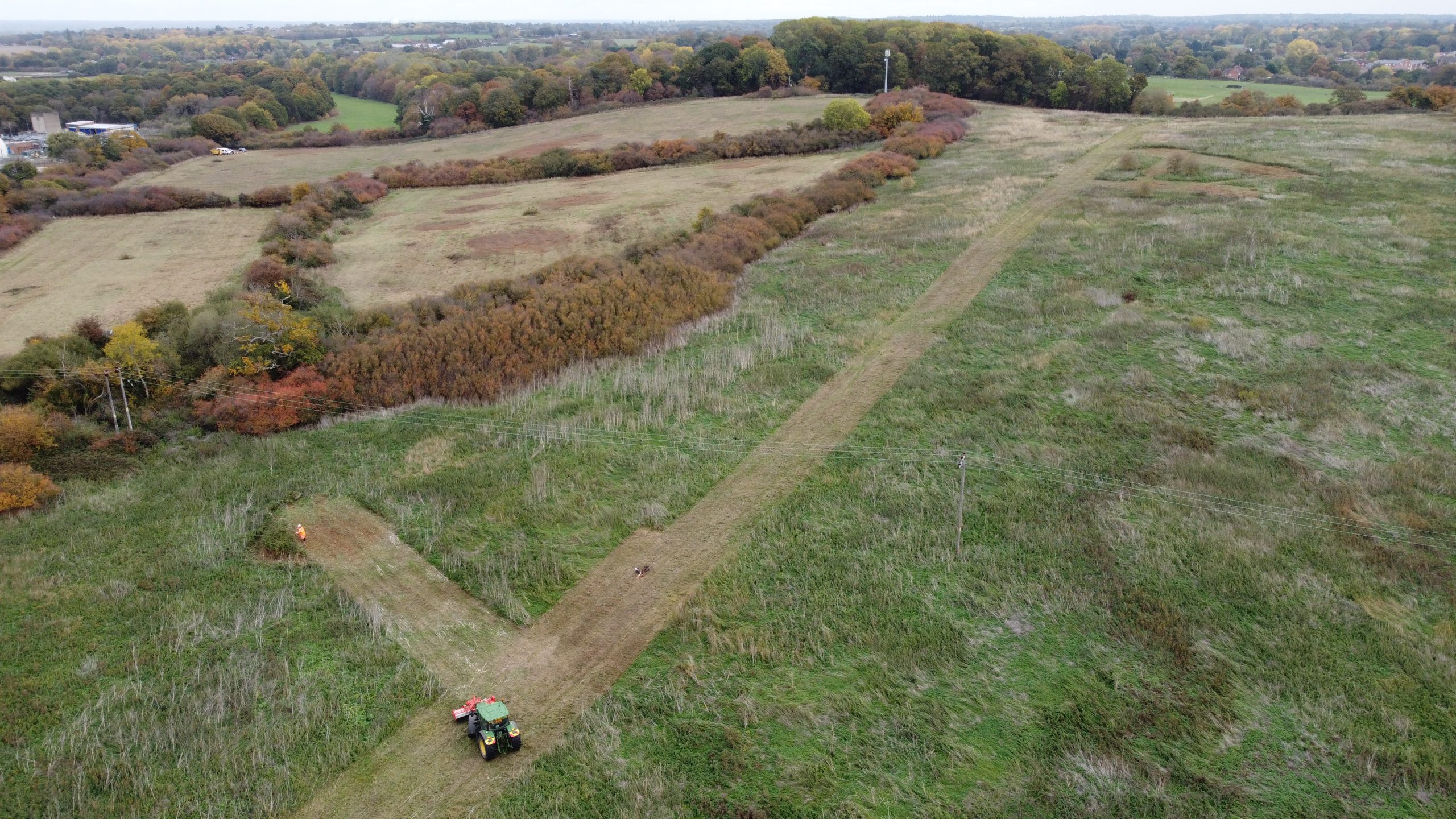
Image credit: Ian Crump
Project planning may be seen as one of the ‘drier’ Overarching Topic guidance documents as part of CIEEM’s Rebuilding Nature – Good Practice Guidance for Ecological Restoration. However, project planning is an essential part of ecological restoration and can mean the difference between your restoration project achieving success or failure.
The Overarching Topic is intended to be read alongside the other Overview Topics so that, when planning a project, you take into account Integrating Ecosystem Services into Ecological Restoration, the Physical Environment, Large Scale Nature Recovery and Restoration, and Monitoring.
A project is ‘a set of tasks that must be completed within a defined timeline to accomplish a specific set of goals.’
Every project, regardless of budget and scale, needs some level of project planning and design to ensure that the work being carried out is aligned to the project objectives.
The Overview Topic is not a guide to Project Management. It provides a concise overview of what ecologists and land managers may need to consider when developing a project plan for use in ecological restoration in the UK and Ireland. It can be used for any size of project, but not all information may be applicable to every project.
The Overview Topic provides links and references to useful guidance, tips on objective setting (SMART) and the importance of collaboration, engagement and partnership. It also includes two key resources:
Table 1 Project Stages – a summary of the stages of a well delivered project, with high-level prompts on the inputs, considerations and decisions that might be needed at each stage. This follows the typical stages used in construction/development projects, consistent with the RIBA Plan of Work (https://www.riba.org/work/insights-and-resources/riba-plan-of-work/), which is fairly standard in the UK. This overarching topic emphasises that the involvement of an Ecologist should be right from the start, preferably at RIBA Stage 0 (Strategic Definition) or Stage 1 (Concept Design), in order that ecological issues – both constraints and opportunities – are considered early and do not risk the project’s progress later.
Table 2 Project Planning Checklist – gives more detailed guidance on what to consider relating to some of the project stages and considerations included in Table 1, such as land ownership and easement issues, sustainability principals, technical specifications, contractual arrangements, site preparation and resources, and on items that could be a constraint to works but could also be an opportunity such as archaeology and cultural heritage and making sure that is factored into the planning of the project in a positive way.
People may be keen to jump straight into the detail and the interesting ‘ecology bits’. Take a step back and take some time to plan your project, whether simple or complex.
Project planning is not something you do once and then forget about, accept that change is likely to be part of your project planning and implementation. Embrace change, revisit the Overview Topic to help you evolve your project plan, and keep in mind the goal for ecological restoration.
We hope that the topic provides useful prompts for your project planning, and we are happy to receive comments for future iterations.
Please contact the Working Group via the Ecological Restoration SIG on er@CIEEM.net