
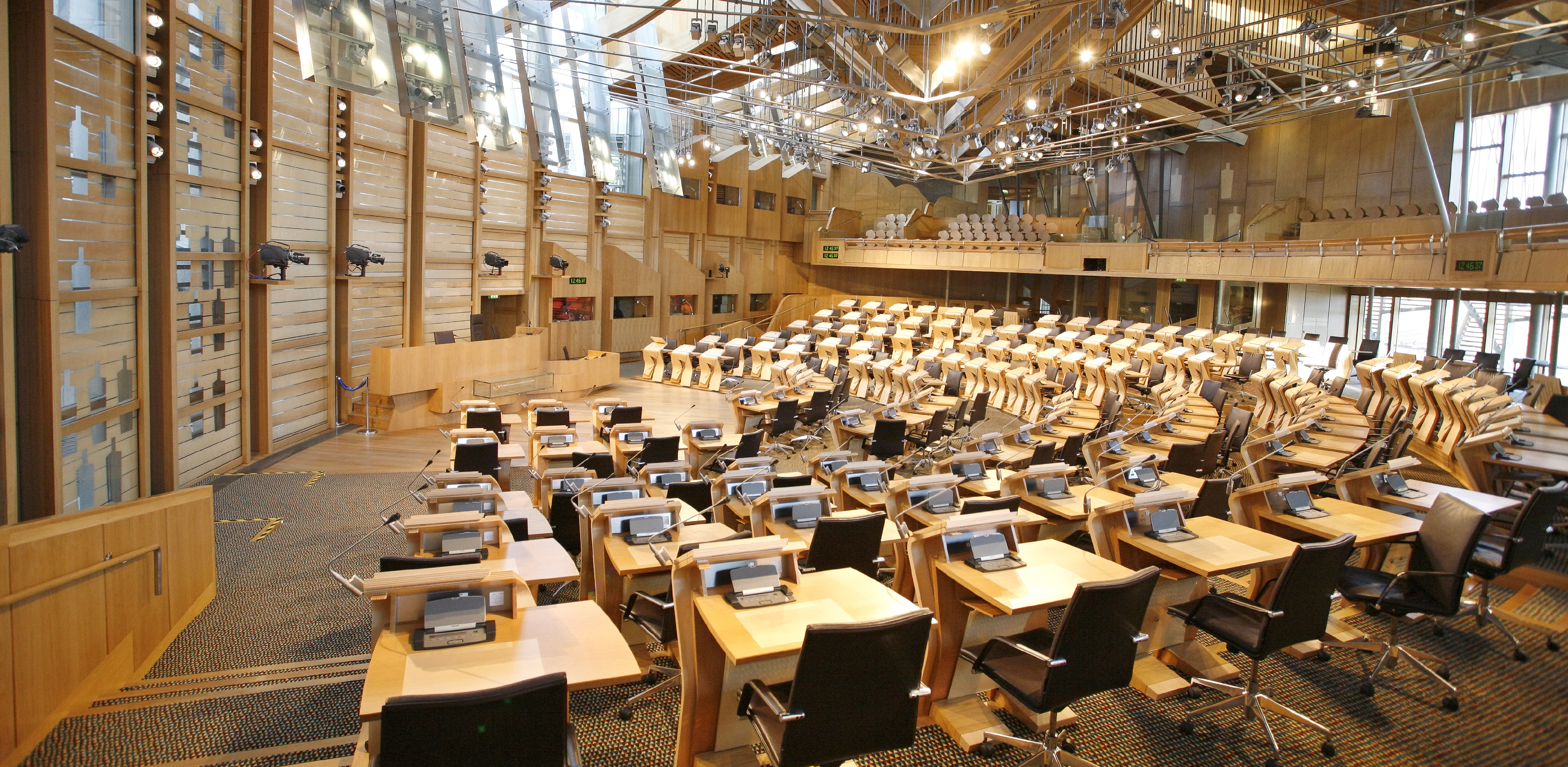
Natural Environment (Scotland) Bill is passed by the Scottish Parliament — a historic moment in nature protection and restoration
At the conclusion of the Stage 3 debate on Wednesday the 28th of January 2026, the Natural Environment (Scotland) Bill received majority support and was passed by the Scottish Parliament; the bill, as passed, can be viewed here.
The final bill will bring forward:
- a mandatory requirement to set legally binding targets for nature restoration — a first for Scotland which puts Scotland on a firm, accountable path to halt biodiversity loss and restore nature and puts biodiversity on an equal footing to climate targets;
- a new scope for national parks to help restore and regenerate biodiversity;
- increased powers for NatureScot to intervene in deer management for nature restoration;
- strengthening of the Marine (Scotland) Act 2010 to better manage our seas in the face of climate change;
- a requirement to set Ramsar sites at the same level of legal protection as SACs and SPAs in step with best practice in HRA and with national planning policy; and
- mandatory swift bricks for new buildings (Scotland is the first country in the UK to legislate for this).
CIEEM is pleased both with the final amended bill itself, and also with the democratic process of evidence consideration and debate that has meant that what was generally a good bill can now be considered an even better act when Royal Assent is given in about a month’s time.
CIEEM are immensely grateful to Caroline McParland, ex-Vice President for Scotland, who shared her knowledge and expertise in many hours of meetings with MSPs, civil servants, and partners in Scottish Environment LINK, as well as in written briefings and — critically — at an in-person evidence session of the Rural Affairs and Islands Committee. We are also thankful to the politicians and civil servants who sought our views and engaged with us, including Mercedes Villalba MSP (Scottish Labour), Rhoda Grant MSP (Scottish Labour), Sarah Boyack (Scottish Labour), Ariane Burgess (Scottish Greens), and Mark Ruskell (Scottish Greens).
We are especially glad that Part 2 of the original Bill was not reintroduced via amendments at Stage 3 after its removal at Stage 2. As part of Scottish Environment LINK, CIEEM has engaged MSPs to highlight the critical risks to environmental protections that Part 2 posed. You can find details of our arguments in previous articles linked to below.
CIEEM closely followed the Stage 3 debate on several amendments in particular, including Mark Ruskell MSP’s amendment (31) to require guidance on the interpretation and implementation of the Habitats Regulations. Mark Ruskell decided not to move this amendment because the Cabinet Secretary, Gillian Martin MSP, gave a commitment to establish a short-life working group of experts to develop guidance which will then be subject to public consultation. CIEEM are happy with this outcome.
We regret, however, that Mercedes Villalba MSPs amendments (46 and 47) to create two separate targets for habitat condition and extent be established, rather than the single target for condition or extent, were not agreed.
There is much still to unpack from the final bill, but other notable outcomes at Stage 3 include support for amendments to:
- the existing biodiversity duty to require all public bodies and officeholders to take these biodiversity targets into account when fulfilling their duties (22, Beatrice Wishart).
- provide statutory underpinning to the UK Forestry Standard, effectively allowing Scottish Ministers to turn what was previously guidance into mandatory regulations (40, Mercedes Villalba).
- provide statutory protection to internationally important wetlands — Ramsar sites — giving them the same level of legal protection as SACs and SPAs (59, Ariane Burgess).
Royal Assent is required before the bill can become an act, at which point the important work of secondary legislation will take over, including detailed nature targets. Part One of the Bill appoints Environmental Standards Scotland (ESS) as the independent review body tasked with monitoring progress against the new statutory biodiversity/nature targets which is a key accountability mechanism. ESS says it will now work to integrate and deliver these new functions.
On a more sombre note, the bill passed in the same month as the Scottish Government published its budget for 2026-27. In this article, we note a continuation of the concerning downward trend in capital spending for SNCBs and other statutory bodies, even as their responsibilities for the protection and restoration of Scotland’s nature continue to grow.
Past CIEEM coverage of the Natural Environment (Scotland) Bill:
- After removal at Stage 2, Part 2 of the draft Natural Environment (Scotland) Bill has not returned at Stage 3 (21st January 2026)
- Committee vote on amendments reveals cross-party support for removal of Part 2 of the Natural Environment Bill (28th November 2025)
- Key amendments tabled for discussion at Stage 2 of Natural Environment (Scotland) Bill (18th November 2025)
- Principles of Natural Environment (Scotland) Bill passed at Stage 1 (31st October 2025)
- Protecting Scotland’s Environment: What you should know about Part 2 of the Natural Environment (Scotland) Bill (24th October 2025)
- Report indicates that MSPs share concerns about Part 2 of Scotland’s draft Natural Environment Bill (1st October 2025)
- CIEEM gives evidence on the draft Natural Environment (Scotland) Bill (22nd May 2025)