
National Marine Week: Citizen Science and Marine Mammals
About a third of all known cetacean (whale, dophin, porpoise) species have been recorded in UK waters, and many of these species face growing threats from climate change, pollution, underwater noise, and habitat loss. As ecological professionals and conservationists continue to monitor these pressures, a growing force has emerged to help, citizen scientists. Across the UK, volunteers are playing a vital role in gathering data, raising awareness, and protecting marine mammals. This blog explores how citizen science is collecting data on marine mammals, the value it brings to conservation, and how people can get involved.
Why Protect Marine Mammals
Marine mammals face numerous anthropogenic (human-induced) pressures. Underwater noise from shipping and construction can disrupt communication and navigation. Plastic pollution and entanglement in fishing gear cause injury and mortality. Climate change is shifting prey distribution and altering breeding habitats. Given the vastness of UK waters and the logistical challenges of monitoring them, citizen science provides a practical and scalable approach helping to monitor these changes. Marine mammals can have huge ranges and large scale survey initiatives – such as the SCANS surveys, are too expensive to conduct annually. This means knowledge on their distribution and abundance can be limited to small, localised areas which are subject to specific monitoring programmes – such as renewable energy sites – or areas of known abundance where groups are able to conduct targeted monitoring. Any programs, such as citizen science programmes, which are able to supplement what we know about these animals can be very useful indeed.
Successful Citizen Science Initiatives in the UK
Across the UK, several high-impact citizen science programmes are helping gather crucial data on marine mammals. The Sea Watch Foundation is a long-established organisation, training volunteers to record dolphin and porpoise sightings and coordinating the annual National Whale and Dolphin Watch Week, which mobilises observers nationwide.
In Scotland, the Hebridean Whale and Dolphin Trust (HWDT) runs one of the UK’s most robust long-term monitoring efforts. Through their Whale Track app citizen scientists contribute to spatial and acoustic data on whales and dolphins in the Hebrides. These data can be used to inform marine spatial planning and protection measures.
Meanwhile, ORCA collaborates with ferry operators across the UK to conduct structured marine mammal surveys from vessels of opportunity, engaging trained volunteers to collect data on distribution and abundance. ORCA’s outreach and training efforts extend to coastal communities and aspiring conservation professionals alike.
Beach-based efforts also play a critical role. Local organisations across the country, like the Cornwall Seal Group Research Trust involve local residents in seal photo-identification (ID) and haul-out monitoring, supporting the tracking of individual animals and health status over time.
The British Divers Marine Life Rescue (BDMLR) trains volunteers to respond to stranded or injured marine mammals, often working alongside post-mortem and data collection programmes such as the Cetacean Strandings Investigation Programme (CSIP) in England and Wales, and the Scottish Marine Animal Strandings Scheme (SMASS) in Scotland. These partnerships help build a clearer picture of threats such as entanglement, disease, and pollution, feeding into national conservation strategies and long-term monitoring efforts.
Yielding results
Some of the projects are yielding great results. Shorewatch, managed by Whale and Dolphin Conservation (WDC), is a project in which trained volunteers conduct standardized watches from a series of locations along the Scottish coast. Between 2005 and 2018, this project generated over 11,000 sightings of cetaceans, and recorded 18 species.
For Rissoʻs dolphins (Grampus griseus), as species for which there is no current population estimate, collation of citizen science photographs has facilitated the initiation of two photo-identification catalogues, providing the first evidence of site fidelity, and demonstrating the importance of areas as critical habitat for this species.
Sightings and photographs of humpback whales collected by citizen scientists of the Forth Marine mammal Project have revealed that animals visiting the Firth of Forth frequent high-latitude feeding grounds in Svalbard, and also that the same individuals have returned to the Firth of Forth in consecutive years.
Itʻs not just sightings of animals either, a brand new study out uses citizen science data to investigate boat presence around marine mammals. These are just a few examples, but really show the benefits that these kinds of projects can provide.
Benefits Beyond Data
Beyond the science, citizen engagement builds a culture of stewardship. People who contribute to research often become ambassadors for marine protection, championing coastal habitats and calling for more sustainable policies. For many volunteers, it also provides personal benefits such as time in nature, skills development, and connection to a likeminded community.
How Can You Get Involved?
Whether you live by the sea or just visit occasionally, there are plenty of ways to get involved:
- Join a local coastal survey or watch group
- Record sightings using apps like WhaleTrack or ORCA
- Take a seal identification course
- Attend marine mammal rescue training with BDMLR
- Share your observations with organisations like Sea Watch Foundation
- Join online photo-ID projects such as Happywhale
You don’t need a marine biology degree, just curiosity, commitment, and a respect for wildlife.
Conclusion
Citizen science is helping bridge the gap between professional research and the urgent need for data on marine mammal populations. In a time of climate and biodiversity crises, empowering the public to help protect our seas is not only smart but essential. By embracing community-led science, we can build more resilient ecosystems and foster a deeper public connection to our ocean neighbours. Personally, for me it has been instrumental on building my career, filling my soul and increasing my impact on the protection of these animals.
About the Authors
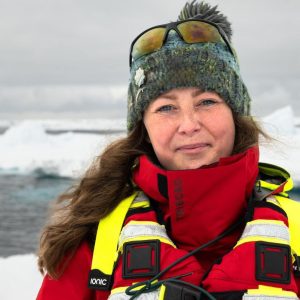 Ashleigh Kitchiner, BSc(Hons), MRes, CSci, MCIEEM, MMOA, MIMarEST,
Ashleigh currently works as the Marine Consents and Environment Manager, SSEN Transmission. She is a marine ecologist, and her interests lie in marine mammal ecology, impact assessment, mitigation implementation, and licensing and consenting. Ashleigh is passionate about encouraging a global network of environmental professionals and is the Vice-Convenor of the CIEEM Scottish Geographic Section Committee and member of the Marine and Coastal SIG.
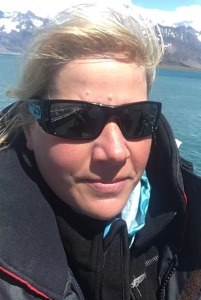 Claire Lacey, BSc (Hons), MSc, Ph.D, C.Env, MCIEEM, MRSB, AFHEA
Claire is a researcher at the Marine Mammal Research Program, University of Hawaiʻi, where she specializes in estimating the abundance and examining the distribution of small delphinid species. Prior to moving to the USA, she previously worked both as an environmental consultant and with an NGO. She has worked on marine mammals for over 20 years and is the Convenor of the CIEEM Marine and Coastal Special Interest Group.