
Government rejects expert advice on protected species under the Wildlife and Countryside Act
In yet another piece of disappointing news from the UK Government this month, they have rejected all of the recommendations made by the UK’s statutory nature conservation bodies in its response to the Seventh Quinquennial Review of Schedules 5 and 8 of the Wildlife and Countryside Act 1981 (QQR7).
The Government’s response, published yesterday and made up of just six paragraphs, declines to accept any of the proposed changes to species protections without providing supporting evidence or detailed explanation.
The 148-page QQR7 review was led by the Joint Nature Conservation Committee (JNCC) and involved Natural England, Natural Resources Wales and NatureScot. It examined Schedules 5 and 8 of the Wildlife and Countryside Act 1981 – a cornerstone of UK wildlife protection legislation – to assess whether species should be retained, removed, reclassified or newly added based on the best available scientific evidence. The review process and planning began back in 2019 and was informed by extensive data analysis, expert input and consultation.
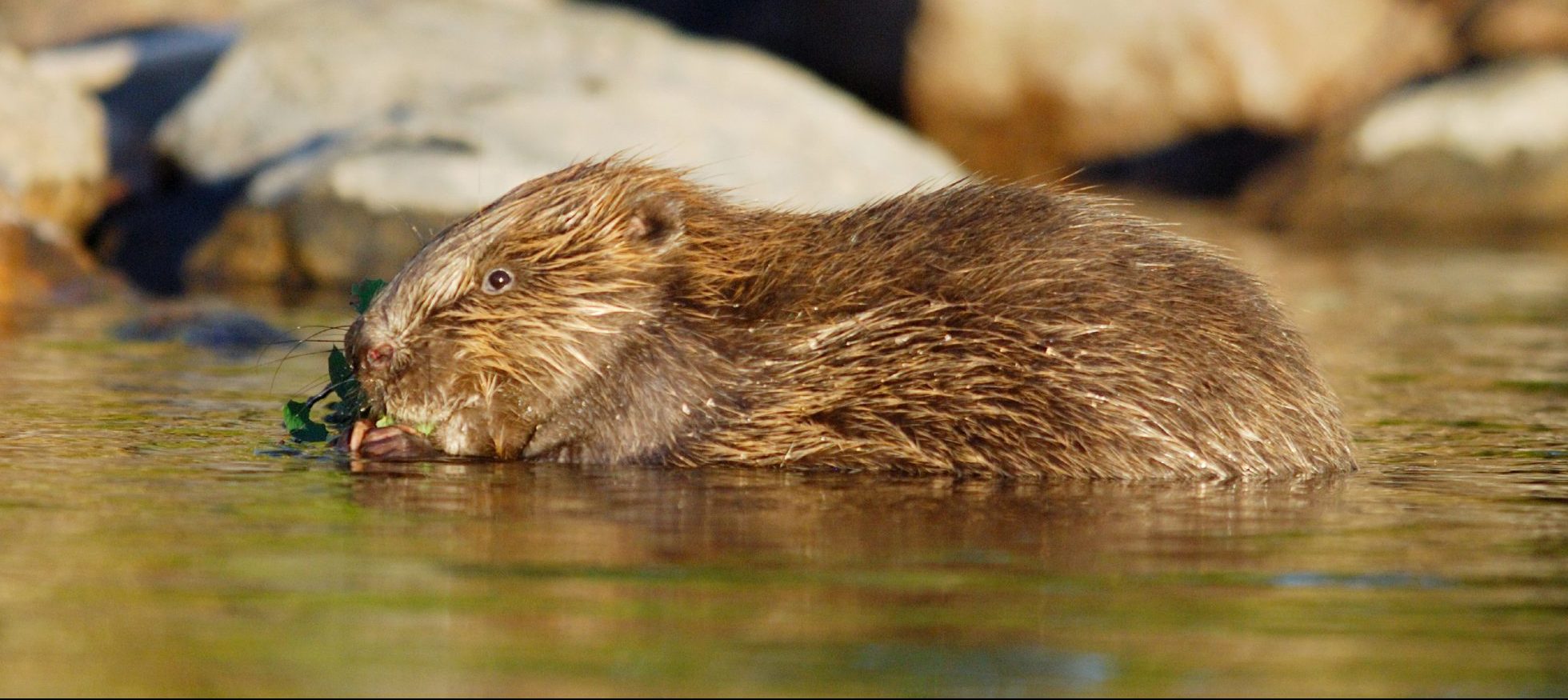
The recommendations included proposals to add new species where evidence shows they are now critically endangered and at risk of being lost without stronger legal protection. This included species such as the jumping spider Neon valentulus. New protections were also recommended for species such as beavers and mountain hares to prevent killing, injury or taking. Other changes reflected the tragic reality of species decline, including removals where species are now considered regionally extinct, such as the Essex Emerald moth.
Despite the scale and rigour of this work, the Government response rejects the recommendations in their entirety. Instead, it refers to other environmental policy mechanisms, such as Local Nature Recovery Strategies, Biodiversity Net Gain, Environmental Land Management Schemes and Natural England’s Species Recovery Programme, which do not provide the same statutory protections as inclusion on the schedules of the Act. No assessment is offered as to why this expert advice has been disregarded, nor how existing legal protections will remain fit for purpose as biodiversity loss accelerates.
The Wildlife and Countryside Act 1981 was one of the earliest and most influential pieces of species protection legislation internationally and helped shape subsequent frameworks, including the Habitats Regulations. Its five-yearly reviews are intended to ensure that legal protections keep pace with ecological change and emerging evidence. Ignoring this process undermines confidence in evidence-led environmental governance.
CIEEM is deeply disappointed by the Government’s decision and the signal it sends about the value placed on independent scientific advice as well as the importance of nature to thriving societies and economies. At a time of ongoing planning reform and mounting pressure on nature, effective and credible species protection in law has never been more important.