
CIEEM welcomes a new Fellow: Benjamin Kite CEcol FCIEEM
Fellowship of the Chartered Institute of Ecology and Environmental Management (CIEEM) is the highest level of professional recognition awarded to individuals who have made a significant contribution to ecological and environmental management. It recognises leadership, knowledge, skills and experience, while also highlighting those who inspire and support others across the profession.
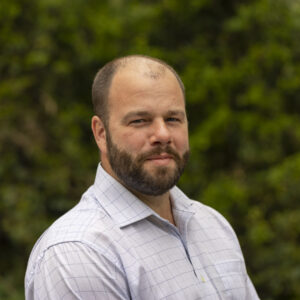
Benjamin (Ben) Kite is Director at Ecological Planning and Research Ltd (EPR). A Chartered Ecologist, he has expertise in Habitat Regulations Assessment, Environmental Impact Assessment, Strategic Environmental Assessment and Biodiversity Net Gain (BNG). He has particular experience assessing the effects of development on internationally protected sites, including the impacts of air pollution, and has contributed to national guidance in this area.
Ben’s work has been assessed as having made a significant contribution in the following areas:
Influencing the evolution of policies or legislation in relation to the natural environment
Ben has made a substantial contribution to environmental policy through his work with CIEEM and government. As a supporter and Chair of the CIEEM Strategic Policy Panel, he has helped ensure that ecological expertise is represented in discussions on major environmental issues. He has engaged directly with politicians on the role of nature in sustainable development and helped establish an All-Party Parliamentary Group for Nature.
His work on the Planning and Infrastructure Bill, now the Planning and Infrastructure Act (England), has helped inform debate around how nature can be better considered within planning and decision-making. Through articles, public statements and policy engagement, he has communicated practical solutions and contributed to discussions on legislative reform. His work has been cited in committee reports to government, demonstrating its impact and influence.
Establishing or raising professional standards through developments in training, quality standards or methods
Ben has helped raise professional standards through his work on air quality assessment. He played a significant role in the development of Natural England guidance, including contributing toward drafting a Decision Framework to Advise on the Risk of Adverse Effects on Habitats from Air Pollution and subsequent JNCC guidance on decision-making thresholds. These publications have provided greater consistency and clarity in the assessment of a complex and often poorly understood impact pathway.
He also contributed to the ISEP publication A New Perspective on Land and Soil in Environmental Impact Assessment, helping improve understanding of the relationship between air pollution, soils and habitat condition. Together, these contributions have strengthened professional practice and supported more robust ecological assessment.
Promotion of ecological professionalism among employers, organizations, companies and other institutes
Ben has promoted ecological professionalism through presentations, guidance and advocacy, particularly in relation to Biodiversity Net Gain. He has represented CIEEM in discussions with government and regulatory organisations, helping to raise awareness of ecological issues and encourage the adoption of good practice. Through these activities, he has strengthened recognition of the profession’s role in delivering sustainable development and environmental protection.
His contribution has also been recognised through inclusion in the 2025 and 2026 ENDS Power Lists, which identify the UK’s most influential environmental professionals.
Overall
From the evidence provided, the review panel agreed that:
Ben’s most significant contribution has been his influence on policy and legislation relating to the natural environment. Through his work with CIEEM, government and the wider environmental sector, he has helped shape discussions on planning reform, biodiversity protection and sustainable development. Alongside this, his technical work on air quality and habitats has improved standards of professional practice and informed ecological assessment.
By combining technical expertise with policy influence, Ben has made a substantial contribution to ecology and environmental management in the UK. The evidence demonstrates clear professional leadership, significant influence and a strong commitment to improving outcomes for nature. He is thoroughly deserving of Fellowship.
As a profession, we in the ecology sector often work beyond our paid jobs, to help society face down the threats of nature loss and climate change. We do this because we know that securing a better future depends on many more people choosing to take personal responsibility for the health of the environment, and because our skillsets make us well suited to driving this collective change.
For me, being awarded a Fellowship by CIEEM was a welcome sign that the people whose opinions I most respect had noticed my contributions and had judged them to be worthwhile. More than anything, it felt like an encouragement to keep on going, even when things get tough.
Benjamin Kite CEcol FCIEEM
CIEEM is currently on the road to reaching 100 Fellows by the end of 2026, a milestone that reflects the strength, diversity and expertise within the profession. If you have made a notable and lasting contribution to addressing ecological or environmental management challenges, or if you know someone that has, why not explore CIEEM Fellowship?
Becoming a Fellow is a powerful way to demonstrate your knowledge, skills and experience, while contributing to the continued development of the profession. Fellows play a vital role as leaders, mentors and advocates, helping to inspire and support others through their work and influence.
If Ben’s journey resonates with your own career, now may be the time to consider putting yourself forward.