
Working with Nature – thoughts from a hopeful ecologist
CIEEM invited me to write this blog after I was awarded an Honorary Fellowship of the Society for the Environment earlier this year. This autumn I presented my HonFSE lecture online in October, and will be delivering a webinar on my career journey for CIEEM on 1 December, so initially I intended to pick a few thoughts from those two talks and weave them together to create this blog. Instead, and slightly to my surprise, a single theme emerged as I started writing, and that theme is hope.
What is hope?
Like any good scientist, I will start by defining my terms by quoting a respected source. Jane Goodall’s inspiring life, science and conservation work are encouragement in themselves, but one of the themes she spoke and wrote about many times was hope.
Jane Goodall’s definition “Hope is often misunderstood. People tend to think that it is simply passive wishful thinking: I hope something will happen but I’m not going to do anything about it. This is indeed the opposite of real hope, which requires action and engagement.”
Why do ecologists need hope?
We live and work in a time of intertwined emergencies of climate change and nature loss, and a time of massive political uncertainty. Over the generations our worries change, but they are not new. Almost a century ago Aldo Leopold wrote “One of the penalties of an ecological education is that one lives alone in a world of wounds. Much of the damage inflicted on land is quite invisible to laymen. An ecologist must either harden his shell and make believe that the consequences of science are none of his business, or he must be the doctor who sees the marks of death in a community that believes itself well and does not want to be told otherwise.” That really resonates with my own experience, but now we even have science about this challenge itself, in the concept of the shifting baseline, where someone now could say “wow!” looking out at a rural area while a time traveler visiting us from a generation ago would look at the same area and say “oh no, what happened?”.
Where can ecologists find hope?
I’m going to suggest three places we can look for hope. Looking back at Aldo Leopold’s words, it is easy to focus on the things that have got worse, particularly the accelerating losses in the natural world. However, some things have got better, and one of them is that for us as ecologists it is far easier to do something. Therefore, the first place to look for hope links back very firmly to the definition in Jane Goodall’s quote: our own actions – we can and do make a difference. No one person or single action will solve everything, but that is OK, baby steps in the right direction are still going the right way.
The second place to look for hope is something that has become very valuable to me: positive storytelling. Our interest in the natural environment affects our reading matter, and particularly through social media this can easily make the algorithms believe we want to see the doom and gloom stories. It is important to keep up to date with policy and politics, but go hunting for some sources of positive stories. The Jane Goodall Institute and Conservation Optimism are among mine.
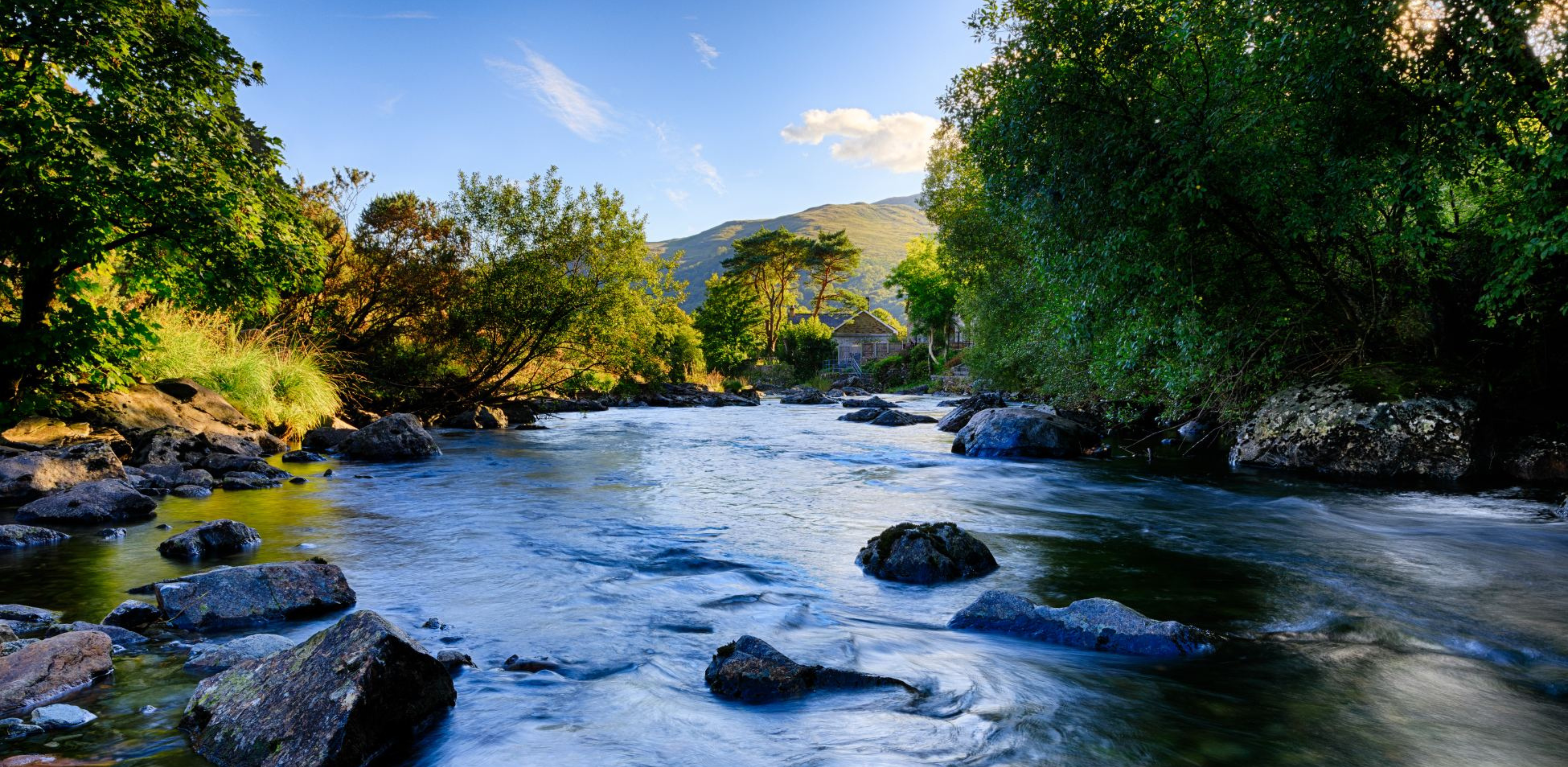
The third place to look for hope is nature itself. There is robust evidence of the ways access to, and engagement with, the natural world benefit people’s physical and mental wellbeing, and that applies to us just as much as anyone else. Even in the online world, following the likes of RSPB and the National Trust can inject your timeline with mood boosters. So, we can find hope in nature, and in doing so help ourselves become part of the hope for nature.
If Claire’s reflections on hope in ecology have inspired you, why not sign up for her upcoming CIEEM webinar ‘My Career Journey: Reflections, Advice and the Route to Fellowship’ on 1 December, 12:30 – 13:30.
About the author:
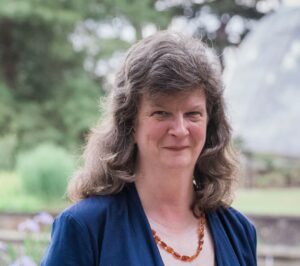 Claire Wansbury CEcol CEnv FCIEEM is an award-winning ecologist with over thirty years’ experience, an Honorary Fellow of the Society for the Environment, and a Fellow of both CIEEM and the Linnean Society. She is AtkinsRéalis’ global authority on biodiversity and nature and the co-editor of the ICE’s Manual of Blue Green Infrastructure. Claire’s numerous awards include winning CIEEM’s member of the year award for 2020.