
Wildlife in Peril – Knowing the Law
Written by Sally Hayns CEcol FCIEEM, CIEEM Chief Executive Officer
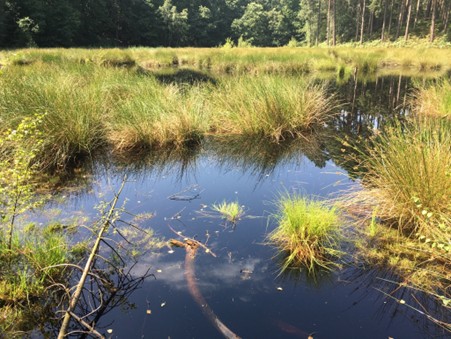
After months of exceptional high temperatures and lack of rainfall in some parts of the UK, it is no wonder that there are more and more reports of wild animals at risk of immediate death, whether it be from wildfires, ponds and streams drying out unseasonably early, water temperatures rocketing or general dehydration and exhaustion.
Understanding what you can and cannot, do to help is vital in order to protect ourselves from criminal investigation. As a professional ecologist or environmental manager you are potentially likely to be the first port of call for friends and neighbours who spot something struggling to survive. At the same time, as a professional ecologist or environmental manager your reputation is most at risk if you get it wrong.
When can you legally rescue protected species?
We all know that, under current UK domestic legislation, it is an offence to disturb any European protected species without an appropriate licence. Similarly, there are other protected species for which it is an offence to disturb their nest or place of shelter. However, there are specific situations where a licence is not required, so knowing what those situations are, is very important.
So what do you do if you discover, or are alerted to, a situation where one or more individuals of a protected species are dying or at imminent risk of death?
If you have the relevant licence, or are covered by someone else’s licence, you are, of course able to move the at-risk individuals to another suitable location where they may thrive or where they can receive care and attention until they are ready to return to the wild. But even if you are not covered by a licence you (or indeed any member of the public) can take appropriate action to prevent the death of protected species individuals.
For example, under clause 10(3)(a) of the Wildlife and Countryside Act 1981 it is not an offence to take or move an animal that has been disabled (other than by your own actions) for the purposes of tending it and releasing it when it is no longer disabled.
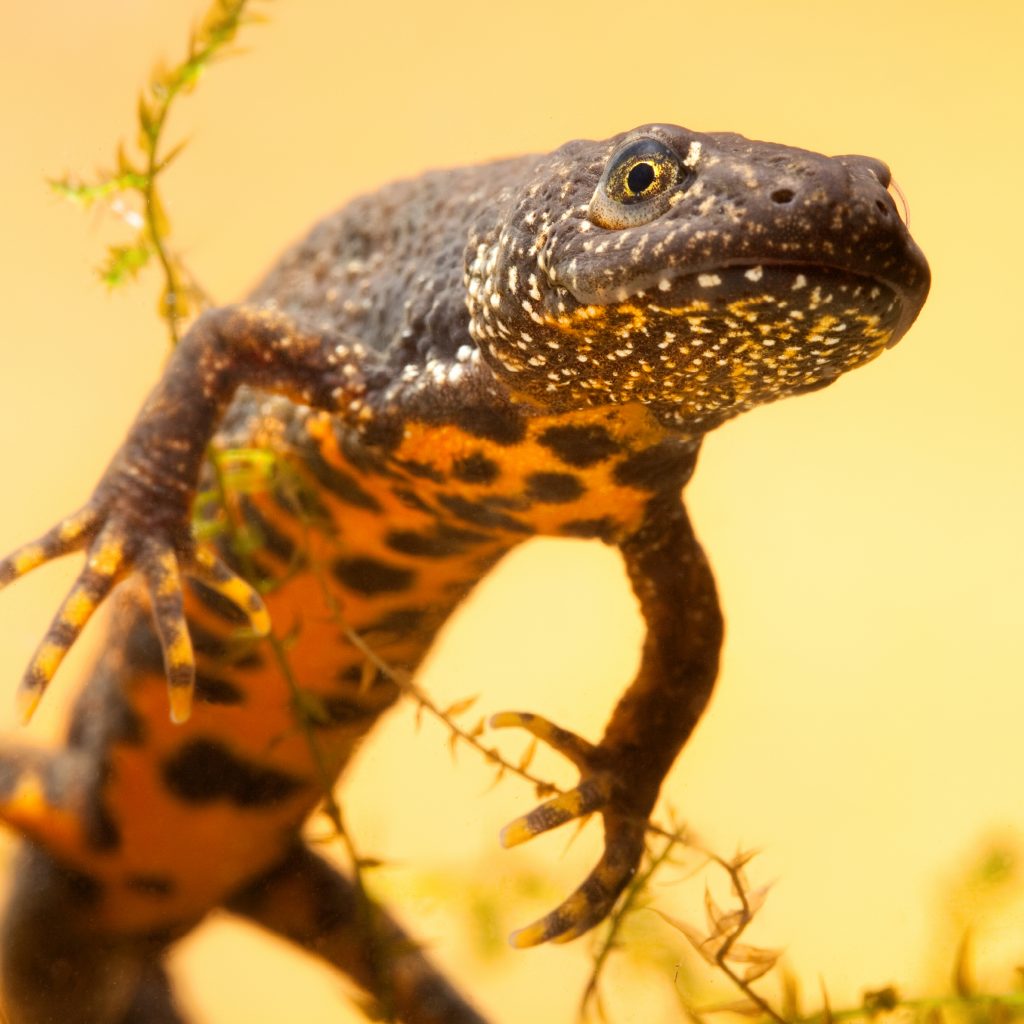
Similarly, the gov.uk guidance on Great Crested Newts: Protection, surveys and licences specifically states that one of the activities you don’t need a licence for is ; “rescuing a great crested newt if would die otherwise”.
The key test for this defence is that the animal or animals must be at risk of imminent harm. Other examples include fish that are at risk of dying through falling water levels/increasing water temperatures or a bat that is injured and unable to fly or feed. It does not cover you if you come across protected species individuals that are at risk, but the risk can be managed through other means, e.g. quickly re-filling a drying-out pond from a nearby water source
Protecting yourself when assisting protected species
There are some precautions you can take to protect yourself against false claims that you are in breach of the legislation by disturbing protected species individuals.
It is very important for example, to take photos and preferably videos of the situation and, ideally and if appropriate, the animals in distress. Include evidence such as location, records of water temperatures, etc. if safe to do so.
Practical steps for a lawful wildlife rescue
- Consider all the available options and using commonsense, decide which the best option is for saving the most individuals.
- If you know one, and assuming it can be done without incurring a delay which might cause mortalities, seek advice from an appropriately licenced professional ecologist, to ensure that you are doing the right thing.
- Collect and move the individuals appropriately, minimising any risk of disease transfer or biosecurity risk.
- If relocating the individuals to a care provider, take steps to ensure that they are adequately trained and, if appropriate, licensed.
- When releasing the individuals to a new location, make sure that it is appropriate habitat for the individuals concerned, that there is no risk of disease transference and, ideally that it is within the meta population range.
What if you have concerns about a CIEEM member’s actions?
If you come across an instance of a CIEEM member appearing to behave inappropriately by moving protected species individuals please remember that, if the animals are at imminent risk they are behaving appropriately and professionally. If you have any concerns about why or how the rescue was conducted please contact CIEEM in the first instance – as opposed to the police for example – so that we can advise on next steps. If it appears that wildlife crime has been committed then we would of course refer it on to the police.