
New Research Shows Proposed BNG Brownfield Exemption Would Hit Disadvantaged Communities Hardest
 CIEEM is encouraging members and the wider ecological profession to respond to the Government’s consultation on proposed Biodiversity Net Gain (BNG) exemptions for brownfield development, following the publication of new research highlighting the disproportionate impact that the proposals could have on some of England’s most disadvantaged communities.
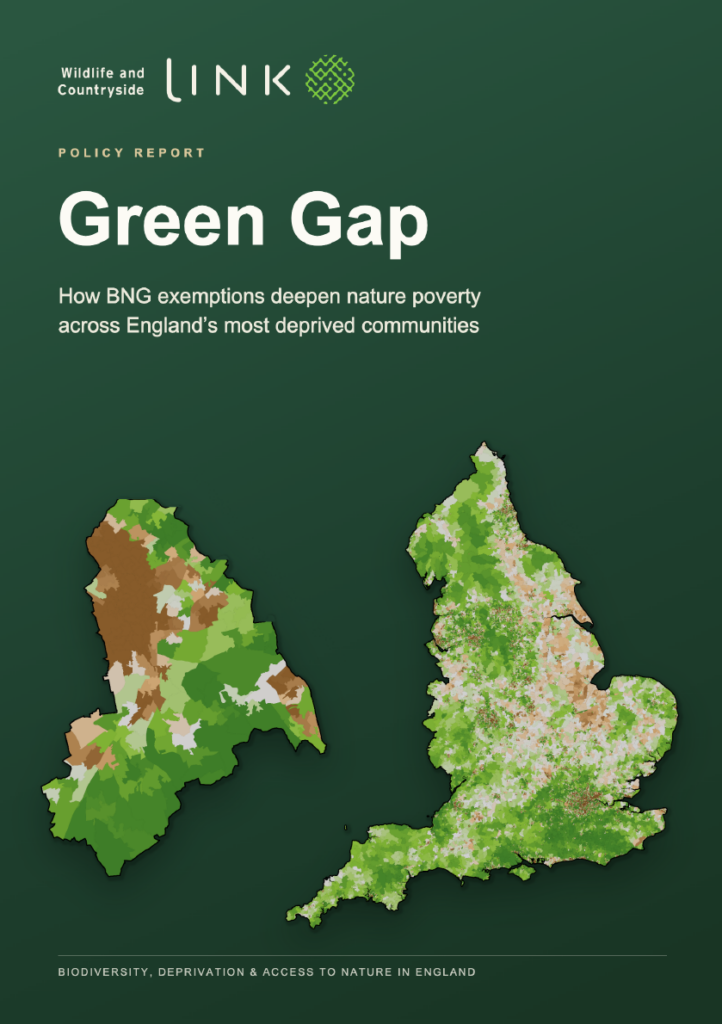
The report, The Green Gap, commissioned by Wildlife and Countryside Link, was jointly funded by a coalition of environmental and professional bodies, including CIEEM. The research provides important new evidence on the social and environmental implications of proposed changes to BNG policy.
The findings reveal that 7.4 million people in England currently live in neighbourhoods with no immediate access to nature-rich spaces, including 1.42 million children. Access to biodiversity is significantly lower in deprived communities, with almost a third of the most deprived neighbourhoods having very limited access to biodiverse habitats, which is almost three times the rate found in the most affluent areas.
The report warns that existing and proposed exemptions from BNG requirements risk further widening these inequalities. In particular, the Government’s proposal to exempt residential developments on brownfield sites of up to 2.5 hectares could have a disproportionate impact on communities that already experience the greatest nature deprivation.
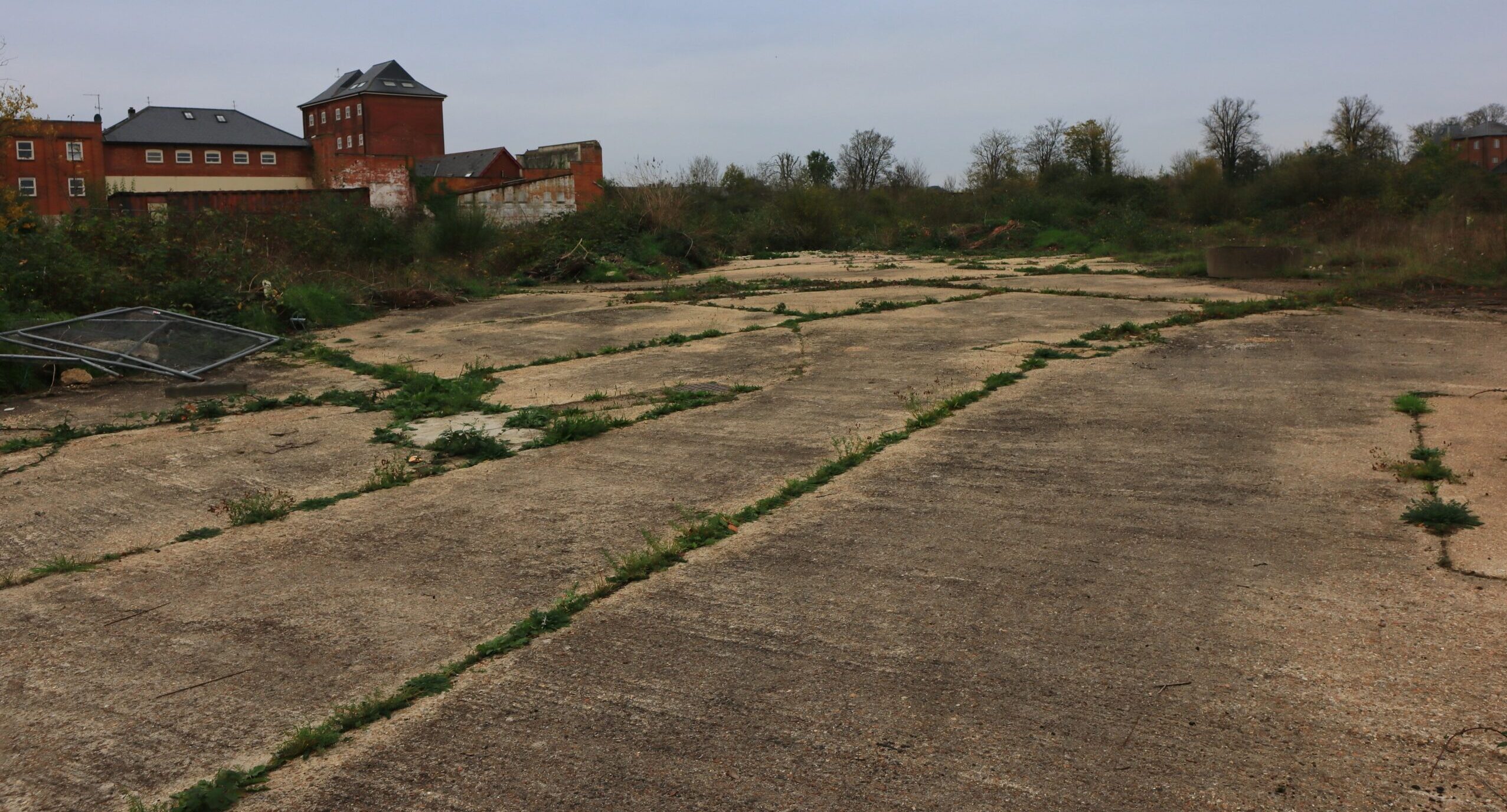
The research shows that brownfield land is heavily concentrated in poorer areas. The most deprived 20% of neighbourhoods contain more than 30% of England’s brownfield housing capacity, compared with just 8% in the wealthiest 20% of neighbourhoods. As a result, exempting these sites from BNG requirements could mean that thousands of new homes are delivered in areas where access to nature is already limited, without any requirement to improve biodiversity or provide the associated benefits that nature brings.
The report also highlights concerns about other BNG exemptions. Ongoing misuse of the existing de minimis exemption, which was only intended for tiny developments with almost no impact on nature, now accounts for 62% of all BNG exemptions. Added to this is the forthcoming small sites (<0.2ha) exemption which will further reduce opportunities to secure biodiversity enhancements through development, particularly in deprived communities.
Jason Reeves, Head of Policy at CIEEM, said:
“Four in five planning applications in England’s most deprived areas already fall below the threshold for mandatory nature improvement. This report shows the government’s proposed brownfield exemptions double down on that inequality: brownfield housing capacity is four times more concentrated in deprived areas than wealthy ones.”
“On the ground, this could mean hundreds of thousands of potential homes built where nature is already scarce, with no duty to improve it. CIEEM members see every day how nature-integrated development reduces flood risks, protects property values and brings positive health outcomes. Denying the nation’s poorest communities those benefits isn’t just bad for the environment, it risks undermining the government’s own housing ambition of safe and decent homes for all.”
The findings provide further evidence for those responding to the Government’s current consultation on proposed brownfield BNG exemptions. CIEEM and others have repeatedly highlighted the ecological value that many brownfield sites can support and the importance of ensuring that new development contributes positively to nature recovery.
We encourage all ecologists and environmental professionals to consider responding to the consultation and to draw on the evidence presented in this report. The consultation closes on 10 June 2026.