
“Don’t Underestimate the Value of Your Skills”: Phoebe’s Journey to Becoming Chartered
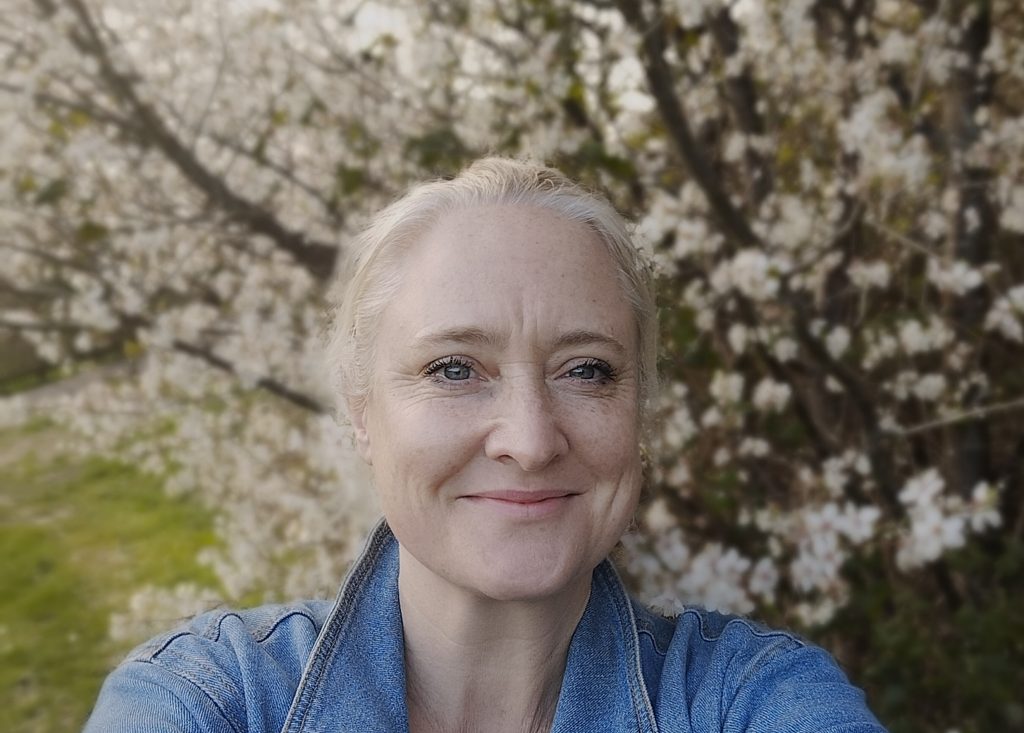 Dr Phoebe Carter CEcol MCIEEM
Principal Consultant for RSK Wilding
On 30 April 2025, Phoebe achieved a major career milestone – becoming a Chartered Ecologist (CEcol). In this article, she shares her journey: the roles, challenges and opportunities that shaped her path to becoming chartered and her advice for others looking to follow a similar path.
About me
I’ve been working in the environmental field for around 25 years and have had a variety of really interesting and enjoyable roles in the UK and some exciting voluntary roles overseas including for the UK Overseas Territories Conservation Forum while in Cyprus and drafting a Natural Resources Management Plan for Norfolk Island in the South Pacific. I now work for RSK Wilding where I lead on the ecological due diligence for the Responsible Body, overseeing BNG habitat banks. Prior to this I spent 15 years as the Chief ecologist for a development company converting former mineral extraction sites into sustainable home developments and nature reserves – undertaking habitat creation and restoration and conservation management of around 500 hectares including areas of SSSI and SAC. I have also served as Trustee of The Mammal Society and am on the faculty for the European Institute of Innovation for Sustainability’s Biodiversity & Business Sustainability Executive programme.
What motivated you to pursue Chartered Ecologist registration?
I had been considering Chartership for a number of years, however, imposter syndrome, parenthood, and living overseas meant that I had put it off for far too long. Once at RSK Wilding I felt that both myself and my new employers would benefit from my being Chartered and I wanted to show how dedicated I was to nature conservation and to raising awareness of the biodiversity crisis, and I felt that CEcol was a key step in doing this. I also wanted to challenge the idea that Chartership comes from years working in consultancy – you can have a weird and wonderful journey to Chartership, making a big difference along the way.
How did you find the application and assessment process? Any tips for others considering it?
While it did take some time, it was an interesting process to collate all my experience into one place and to see how the range of things I had done met each of the criteria. The interview process was done online and was thorough – it was an additional opportunity to confirm some of my skills and experience. The feedback from the assessors was really useful and insightful.
What advice would you give to other professionals considering Chartership?
Don’t wait too long to do it and don’t underestimate the value of your skills and experience. I think imposter syndrome can impact everyone, but I do feel it affects women more, especially when career breaks to have children have been taken, with a come back to work often part-time to meet childcare needs. This can knock your confidence and lead to a delay in applying for something you are more than qualified for. Going through the process might help reinforce how much you have done and how qualified you are and is a great way to boost your confidence in your abilities.
In your view, what role do you think chartered professionals will play in tackling the environmental challenges of the next decade?
Everyone has a role to play in tackling the environmental challenges we are all facing, but as Chartered Ecologists we should be taking every opportunity we have and every opportunity we can make, to raise awareness of the dire situation nature faces. This is particularly important at this current time when nature is being demonised by government again. Our role is to make everyone understand that if we continue to destroy nature and undervalue our impacts and dependencies on it, every aspect of our lives will be impacted. It is our role to change the rhetoric around nature – it is more than ‘pesky’ newts and bats being ‘in the wrong places’, it is impacts to global economy, climate, and human wellbeing.