Blanket Bogs and Beyond: Repairing One of the World’s Most Important Habitats
Did you know that when the carbon loss per year from peatlands is added to the amount sequestrated by all habitats in the UK, the result is a large net loss of carbon?
This shocking statistic reflects the poor condition of some 80% of our upland peatlands and a mere 2% left of lowland raised mires in the UK and Ireland. The need to repair and restore is made more urgent by the fact that the UK’s blanket bog resource comprises around 10–15% of the world’s entire blanket bog. Bearing in mind that peatland area far exceeds that of bog habitat, poor condition includes conversion to agriculture with its concomitant drainage, or, where there is some semi-natural vegetation left, bogs that are too dry, with eroding gullies or/and artificial drains scarring sites, bare peat exposed after fires and trees encroaching or planted where they are undesirable. All these result in low plant diversity and a poor and declining habitat for animals that intact bogs in good condition can support.
Common cottongrass on cutover bog, Northern Ireland
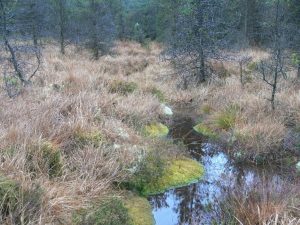
Failed forestry on wet Welsh Blanket bog © Penny Anderson
So, if you have the opportunity to work on bog restoration at any time, this new guidance is for you. As you no doubt know by now, CIEEM’s Ecological Restoration Special Interest Group has been hard at work developing best practice guidance on Rebuilding Nature. We hope you have already seen and used the overarching topics covering the broad basis for this (planning, scale, ecosystem services, the physical environment, and monitoring available here.
Now we are producing guidance on all the individual habitats and Bogs is the first one available here. The aim of this habitat guidance is to signpost you to the most up to date and relevant documents, case studies and other resources. It does not cover all the detail when it is easily accessible elsewhere but provides guidance on links and references. As digital documents, we hope to be able to update regularly – so if you are involved in anything different, innovative or worthy of sharing – tell us please.
In the guidance we try to cover all the different bog habitats, lowlands and uplands, raised, valley and blanket, including bog woodland (a rare and diminishing habitat). We stress the importance of bogs as a habitat, for ecosystem services, for its historical record in the peat (if undamaged) and cultural value. They are some of the largest habitat areas that are protected through national or international designations and damaged or lost bogs are a cost to society.
The guidance takes you through the process of restoration, starting with what to include in a site assessment in terms of peat and habitat condition, site constraints and opportunities. It then sets out a sequence of interventions focusing on re-wetting (different methods, their limitations and opportunities), revegetation, managing trees and shrubs, and considers some options for reducing carbon loss from agricultural use. It also emphasises the need for monitoring.
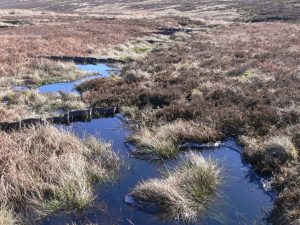
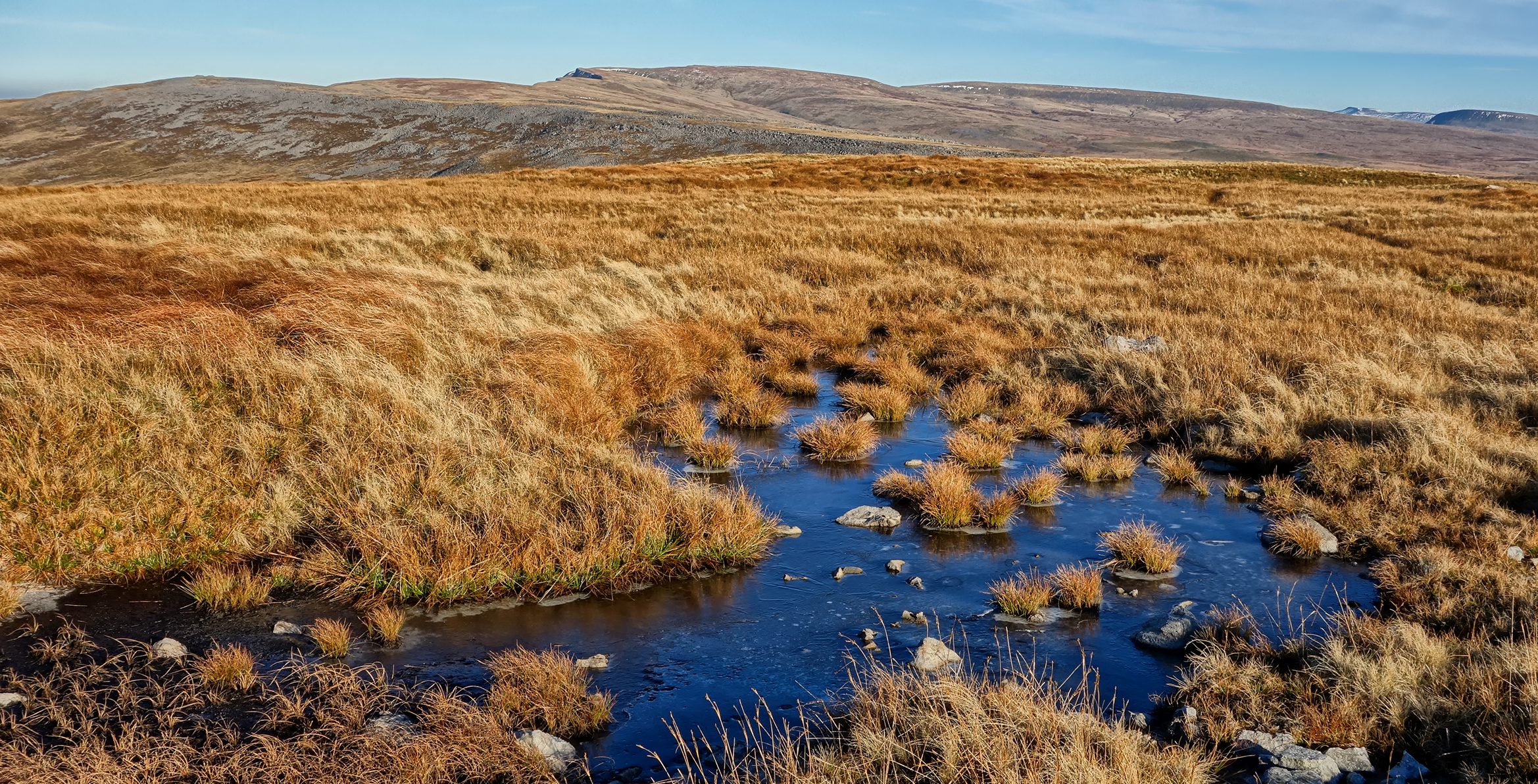
Rewetting blanket bog in Central Pennines © Penny Anderson
The guidance finally sets out some constraints, limitations and opportunities related to issues such as the use of low ground pressure vehicles, The Peatland Code and avoidance and consideration of peat in construction projects. Of real value, we hope, is a long list of links to the many peatland projects and partnerships that operate throughout the countries. Many have produced project accounts, some have issued detailed guidance on many aspects of peatland and bog restoration, whilst others show-case successes and new ideas.
Enjoy and tell us what we have forgotten or where things have moved forward. Contact us at er@cieem.net.
Access Habitats: Bogs (Good Practice Guidance for Ecological Restoration) here
The author team