Large Scale Restoration and Nature Recovery: Guidance to aid increasing scale and pace
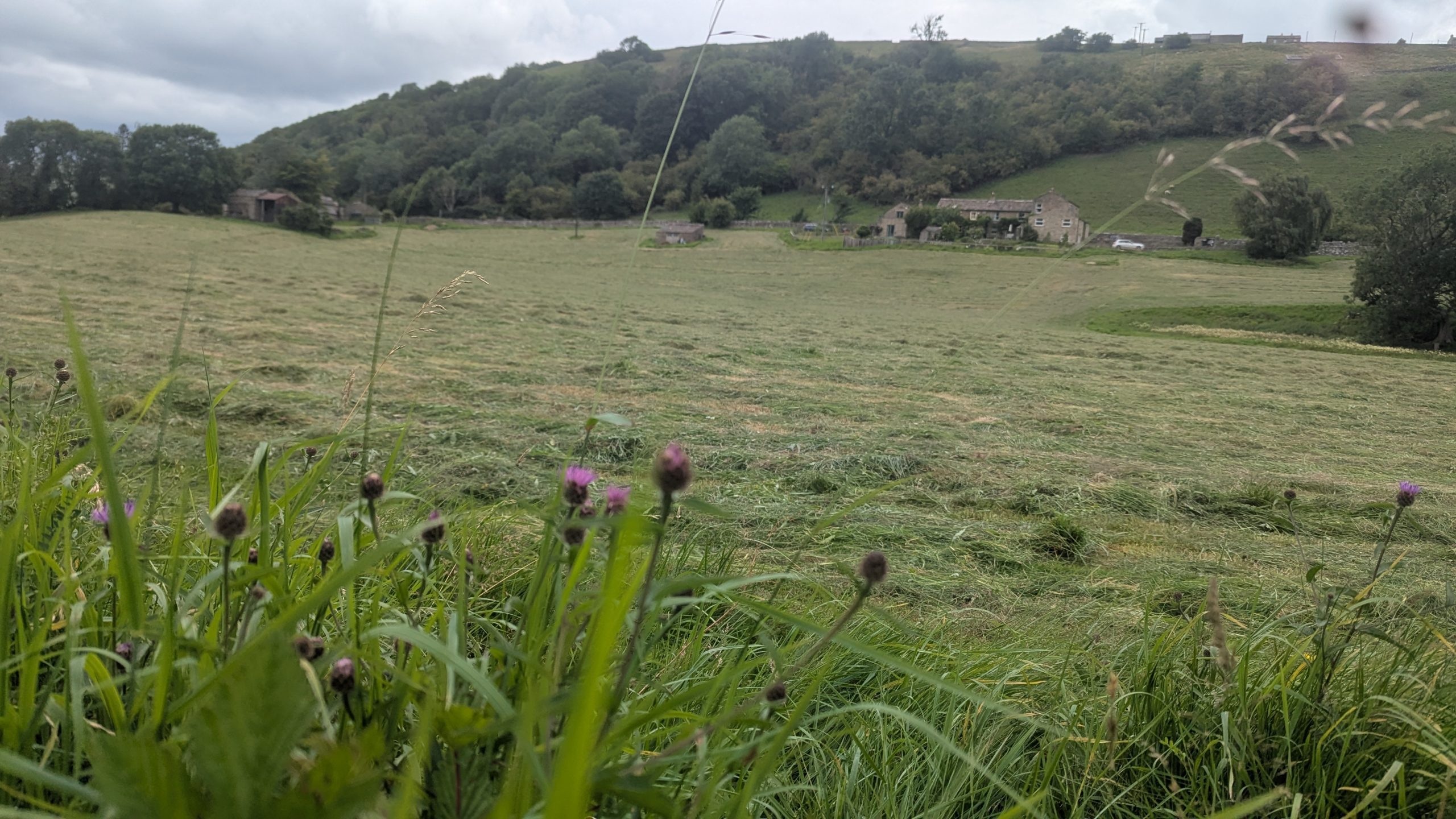
Image Credit: Calum Rennie
As we see the overarching topics published for Rebuilding Nature Good Practice Guidance on Ecological Restoration, we have passed the half-way mark to 2030. Even if positive change seems anything but given, it is important to note that we are closer than ever to a real embedded change to achieve monumental levels of restoration. This brings with it exciting opportunities and also considerable need for the correct support and standards across the emerging sector.
As we see new international level pushes to increase scales of restoration across the globe, such as can be seen by the launch of the REVIVE model by the Society of Ecological Restoration International, the release of the Large Scale Restoration and Nature Recovery guidance topic is increasingly relevant. Without real coordinated and quality delivery, supported at the correct institutional and policy scales, a nature positive 2050 is not just difficult it would be impossible.
The good practice guidance is built on what we already know, emphasizing the need for clear goals, partnership and matching action to the requirements of the system. It also includes all systems across terrestrial, marine and freshwater, in line with the emerging need to break silos as part of delivering at larger scales. There are also some common factors for success at scale that are well worth reinforcing in our practice:
- Shared vision and common purpose, including clear goals
- Appropriate and fit for purpose governance and decision-making
- Leadership
- Collaboration and partnership, including engagement and dialogue with communities
- Sound understanding of potential barriers to success and drivers of decline, planned for during project diagnosis and planning
Overall, at large scale we are aiming at restoring natural processes and dynamics, creating self-sustaining, robust ecosystems that provide resilience to external threats and pressures. It requires our approaches to continue to change, to embrace or restore dynamic ecosystems, make the best use of networks of practice and plan for future conditions. The more coordinated and collaborative environment to deliver outcomes at large scale also provide benefits for increasing outcomes at network scales for their components (core areas, restoration areas, corridors, connectivity and buffer areas) and for wider ecosystem services or benefits to be realised (see the Integrating Ecosystem Services guidance topic).
The guidance identifies five important areas of development for future practice. The nature of the unknown and dealing with change over long time scales holds a critical requirement for greater learning and adaptivity. Monitoring and evaluation, as part of adaptive management is therefore an inseparable and critical part of our path ahead at scale. The guidance also emphasises four further elements to focus our future practice around:
- Building in resilience, focus on scales of heterogeneity and way from prescription
- Preparing for inevitable change
- Systems thinking and thinking beyond sites and silos
- Collaboration and dialog
We hope that the topic provides a useful framework across the spectrum of initiatives, schemes, organisations and individuals looking to drive nature recovery and restoration across large scales. We are happy to receive comments for future iterations, please contact the Working Group via the Ecological Restoration SIG on er@CIEEM.net.