National Marine Week: Exploring Our Shores – Citizen Science with The Rockpool Project
National Marine Week is the perfect time to celebrate the incredible diversity of life along the UK’s coastline and there’s no better way to do that than by rolling up your sleeves, heading to the shore, and getting stuck in with a bit of citizen science.
One brilliant initiative doing just that is The Rockpool Project, a community-led marine conservation programme that’s helping people of all ages discover, document, and protect the fascinating wildlife found in our rocky shores.
What is The Rockpool Project?
Currently operating along the South West coast (with plans to expand into new regions), the project is designed to be inclusive and accessible. You don’t need a science degree or a background in marine biology to take part, just curiosity and a willingness to learn. Volunteers are given support and training to build their knowledge and confidence, and the surveys are always carried out in a relaxed, team-based environment
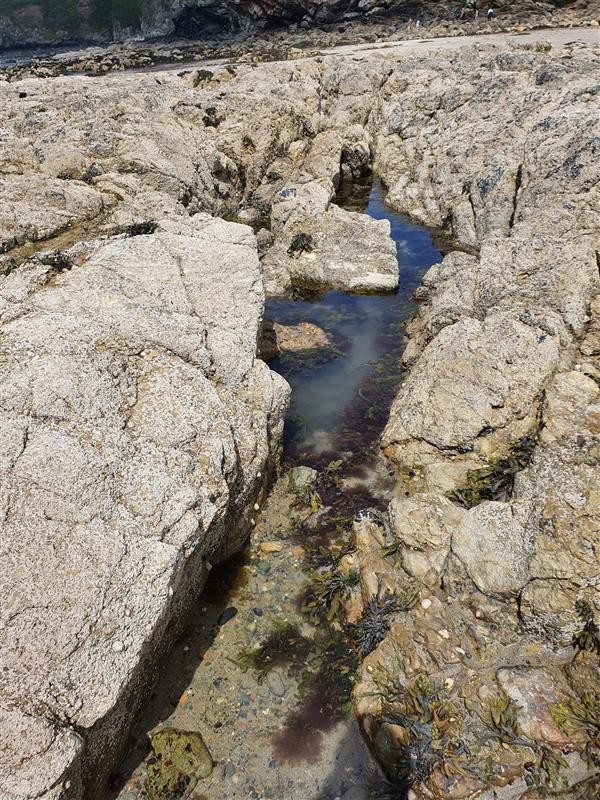
At the heart of The Rockpool Project is a structured approach to citizen science. Volunteers take part in regular surveys at low tide, exploring rocky shores and recording the marine species they find. These aren’t just casual wildlife-spotting sessions, each survey follows a simple but standardised method to make sure the data is useful for scientific monitoring.
Participants focus on specific zones and rockpools within the intertidal area and note down what species they see, from common seaweeds and crabs to more unusual finds like stalked jellyfish or cushion stars. Records are uploaded to national biodiversity platforms like iNaturalist, where they contribute to wider datasets used by researchers, conservation organisations, and policymakers.
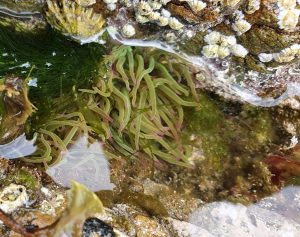
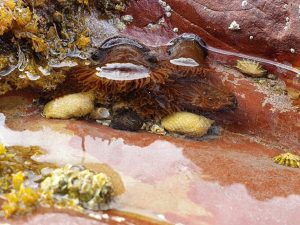
Snakelocks anemone (Left) Beadlet anemones and dogwhelks (right). Photo Credit: Athena Allen
This mix of accessibility and scientific rigour is what makes The Rockpool Project stand out. As the surveys are repeated at the same sites throughout the year, the data builds up over time. This means we can start to spot patterns and changes in the habitat and community, for example, if certain species are appearing earlier in the season or if non-native species are starting to turn up more frequently.
These kinds of observations are important. They can provide early signs of environmental change linked to climate, water quality, or human activity. And when citizen science data is gathered consistently and fed into national systems, it becomes a valuable part of the evidence base used for conservation and marine planning.
For ecologists, the project also highlights how well-designed citizen science can support professional goals — from contributing to policy monitoring, to improving public awareness of intertidal ecosystems. And for students or early-career professionals, it’s a great way to gain field experience, build confidence in species ID, and develop an understanding of real-world ecological data collection.
Get involved
As we celebrate National Marine Week, why not take the opportunity to explore a rockpool near you? Whether you join an organised survey or simply spend some time noticing what’s living on your local beach, connecting with the coast is the first step in caring for it.
To find out more or get involved, visit: https://therockpoolproject.co.uk
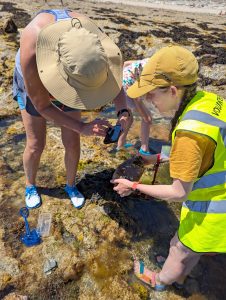
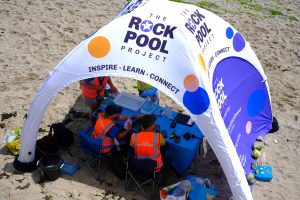
Photo credit: The Rockpool Project
About the author:
Athena Allen BSc(Hons), MSc, Associate member of CIEEM is a Marine Ecologist at NatureBureau Ltd, a firm of environmental and ecological consultants. Athena’s work includes supporting the delivery of European marine legislation such as the Marine Strategy Framework Directive, delivering shark conservation projects for the German Government, and contributing to research projects on her specialised taxonomic group of choice, cephalopods. Athena has also recently applied to run a new South West Hub for The Rockpool Project. Contact Athena at: athena@naturebureau.co.uk