2025 confirmed as one of the hottest years on record
New global climate analyses confirm that 2025 ranked among the warmest years in human history, underscoring accelerating climate change and the ongoing challenges facing nature and society. Data from multiple scientific monitoring networks show that average global temperatures in 2025 were significantly above historical baselines, extending an unprecedented warming trend.
According to the Copernicus Climate Change Service (C3S) – Europe’s authoritative climate monitoring programme – 2025 was the third highest on record, sitting just 0.01°C below 2023’s average and trailing 2024. The past three years (2023-2025) also marked the first period where the three-year average exceeded 1.5°C above pre-industrial levels, a critical threshold outlined in the 2015 Paris Climate Agreement aimed at avoiding the most severe impacts of global warming.
Other global datasets corroborate these findings and show that nearly all ranking systems place 2025 among the top three hottest years ever recorded, with substantial warming evident across land and ocean regions, including record or near-record warmth in Antarctica and the Arctic.
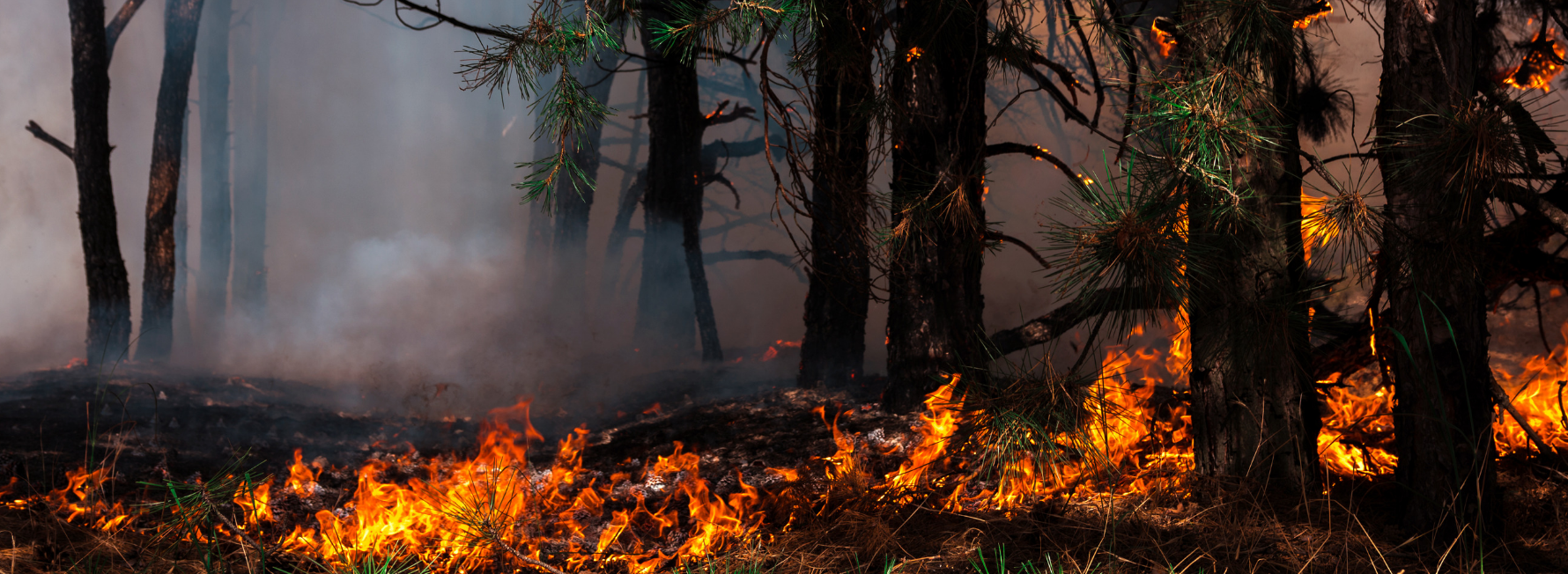
This continued warming has serious ecological and societal implications, increasing the likelihood of extreme heat, drought, wildfires and other climate hazards that strain ecosystems, biodiversity and human communities.
For ecological professionals working at the interface of nature conservation and climate mitigation, the 2025 temperature data are a stark reminder that climate change is not a future scenario. It is already reshaping the natural world and the interlinked climate change and biodiversity loss crises meaning that rising global temperatures affect species distributions, habitat viability, ecosystem functions and ecological resilience.
In response to this accelerating crisis, CIEEM’s Action 2030 project represents a long-term organisational commitment to address both the climate emergency and the biodiversity crisis. Launched in 2019 following a climate emergency declaration, Action 2030 sets clear goals to reach net-zero carbon emissions (Scopes 1, 2 and 3) by 2030 and to lead the ecological profession in urgent, impactful action. Our efforts align CIEEM with wider scientific and policy calls for urgent and equitable climate action, recognising that every degree of warming avoided matters for both nature and people.
The latest data from 2025 highlight not only the persistence of global warming but also the urgency with which the governments, society and ecological professionals must respond. Through Action 2030, CIEEM aims to not only reduce its own footprint but also inspire, enable and support change across the profession, helping to protect biodiversity and build climate resilience at scale.